
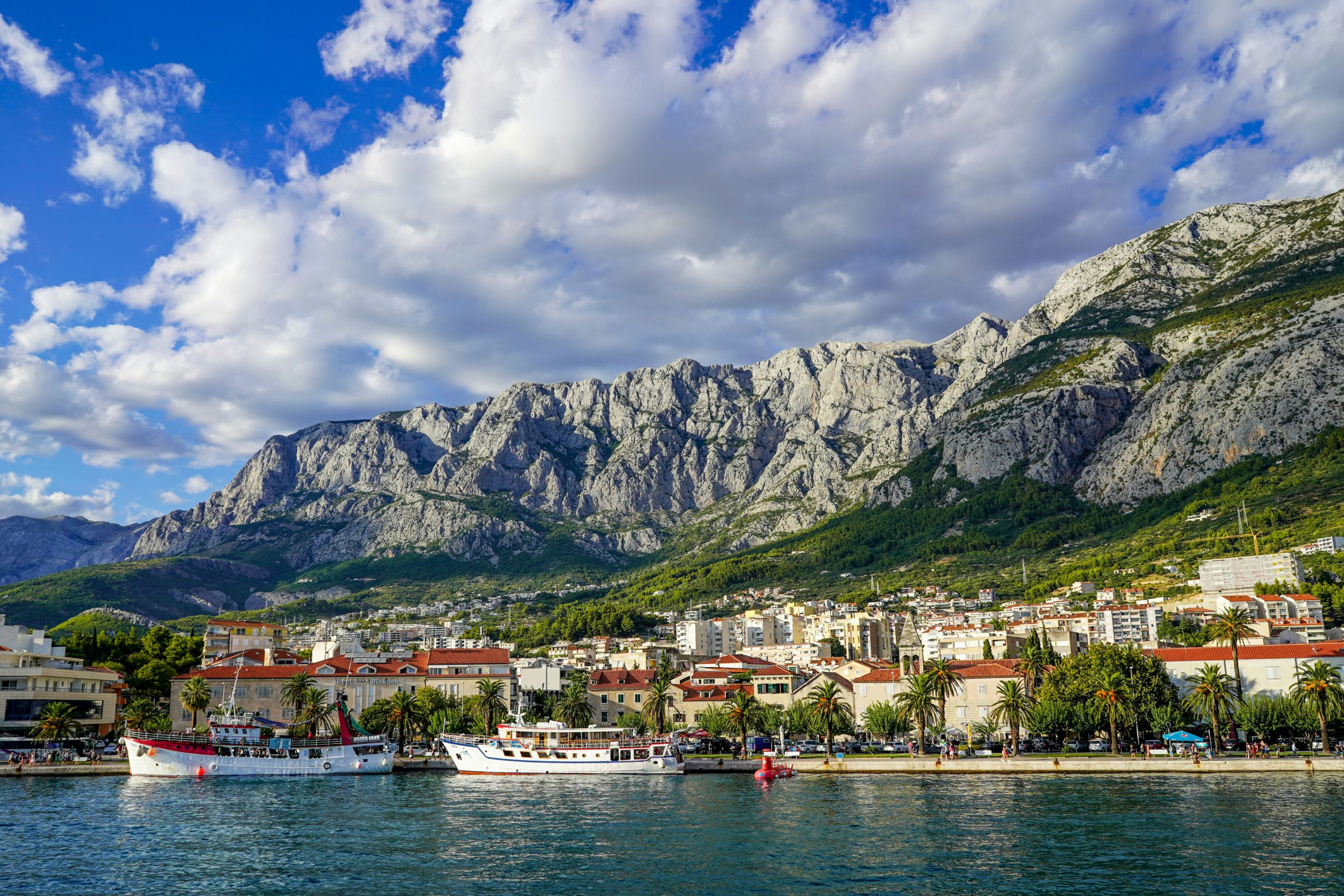
Croatia is worth the planning. Let me start there, because what follows requires some honesty about complexity, and I do not want the complexity to obscure the conclusion.
Croatia is worth it. The Adriatic is extraordinary. The food is extraordinary. The light in late summer on the Croatian coast is the kind of thing travel writing reaches for and never quite captures. Go. And go knowing what you are going into.
The Honest Picture
Croatia’s historic coastal towns were built on and into rock. Dubrovnik’s old town is a UNESCO World Heritage Site paved in limestone that has been worn smooth over centuries. Hvar town has steps where other towns have streets. Kotor’s old town in Montenegro, which many visitors combine with a Croatian trip, is similarly challenging.
For wheelchair users, this means that the classic postcard image of wandering through the old town at your own pace requires significant pre-planning and, in some cases, is not fully achievable in the way it would be for a walking visitor. That is the truth of it.
What is also true is that Croatia has invested significantly in accessible tourism infrastructure in recent years, particularly in Split and in the resort areas south of Dubrovnik. The country’s luxury hotel market has grown substantially and the newer properties have been built with accessibility in mind in a way that the historic structures cannot be.
Dubrovnik

Dubrovnik is the most visited destination in Croatia and the most photographed. The old town, enclosed within its medieval walls, is largely inaccessible for wheelchair users. The limestone streets are uneven, the steps between levels are genuine obstacles and the crowds that fill the old town in high season add additional complexity.
What Dubrovnik has, on its outskirts and on the cliffs above the Adriatic south of the city, is some of the finest accessible luxury hospitality in Europe. The Rixos Premium Dubrovnik is the clearest example. Positioned on its own clifftop with architecture designed for access rather than adapted to it, the Rixos delivers the Croatian experience without the old town’s constraints.
The cable car to Mount Srd above Dubrovnik is accessible and the views from the top are, if anything, more extraordinary than the ones from the old town walls.
Split
Split has invested more in accessible infrastructure than any other Croatian city. The waterfront promenade, the Riva, is accessible and is one of the better places in Croatia for wheelchair users to move freely and watch the city’s life unfold. Diocletian’s Palace, the UNESCO-listed heart of the old city, is partially accessible, with some areas reachable and others not.
Split’s luxury hotel market has grown significantly and several properties within and immediately outside the old city have been developed with accessible provision.
The Islands

Croatia’s islands, Hvar, Brac, Korcula, Vis, are among the most beautiful places in the Mediterranean. They are also among the most challenging for wheelchair users. The ferry infrastructure has improved and the larger islands have accessible ferry routes, but the towns and beaches require significant pre-planning.
For wheelchair users, the islands are most accessible as part of a resort-based trip where the hotel or resort provides boat access to specific beaches rather than attempting independent island exploration via public ferry.
Practical Planning
Getting there
Dubrovnik Airport and Split Airport both have accessible arrival procedures. Pre-arrangement with the airline and the car hire or transfer company is essential. Croatia’s roads are excellent and driving is the most flexible way to move between destinations for wheelchair users.
Getting around
Wheelchair-accessible taxis are available in Dubrovnik and Split but must be pre-booked rather than hailed. The major rental car companies operating in Croatia carry automatic vehicles with hand controls, again requiring advance booking.
The season
Croatia in July and August is extraordinary and extremely crowded. For wheelchair users, the crowds in the old towns add significant complexity to already challenging terrain. May, June, September and October offer the same weather, the same sea and significantly less pressure.
What to Book
The Rixos Premium Dubrovnik remains The Inclusive Edit’s recommendation for the Dubrovnik area. For Split, the Le Meridien Lav and the Radisson Blu Resort both have strong accessible provision and direct beach access.
The What to Ask Before Booking guide covers the specific questions to put to any Croatian hotel before you confirm.
Croatia rewards preparation. It is not the easiest destination. It is one of the most beautiful. Go knowing what to expect and you will come back wondering why you waited.

Leave a Reply