
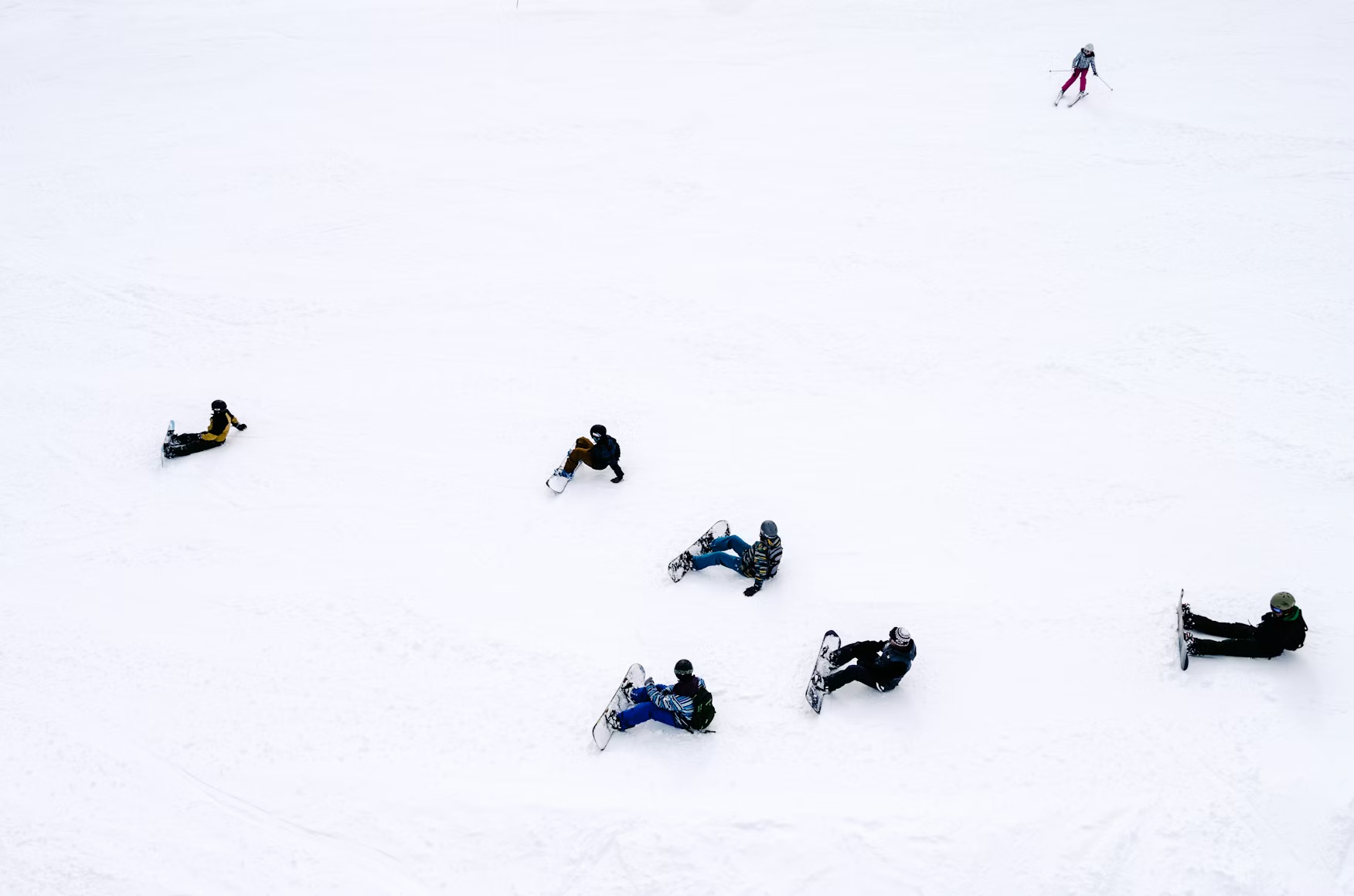
The mountain does not care that you are in a wheelchair.
The snow is the snow. The slope is the slope. The feeling of moving down a mountain at speed, the cold air and the light and the particular silence of a ski run in the early morning before the crowds arrive. None of this is withdrawn from you because you use a wheelchair. It is there. It is available.
How Adaptive Skiing Works
The sit-ski is the primary adaptive equipment for wheelchair users on the mountain. It is exactly what it describes: a chair, mounted on a ski frame, that moves down the slope in the same way that a standing skier moves. The sit-ski allows the skier to control direction and speed through body weight shifts, outrigger poles and, in some configurations, hand-operated brakes.
Learning to ski adaptively takes time. Most beginners start with an instructor skiing behind them, connected to the sit-ski by a tether for speed control while the skier learns the technique. Mono-skiing is the higher-performance adaptive discipline, using a single ski under the sit frame and allowing more aggressive carving turns. Bi-skiing uses two skis and is typically the entry point for most beginners.
The Resorts That Lead

Verbier, Switzerland
Verbier is one of the most celebrated ski resorts in the world and has developed one of the most comprehensive adaptive ski programmes in Europe. The Verbier Ski School’s adaptive programme is run by specialist instructors with extensive experience teaching wheelchair users. The resort’s lift infrastructure is largely accessible, with gondola and cable car access predominating. Luxury accommodation in Verbier includes accessible properties with the bathroom and bedroom specifications that adaptive skiers need.
Courchevel, France
Courchevel 1850 sits at the top of the Three Valleys, the largest ski area in the world. The ESF ski school’s adaptive programme includes sit-ski instruction at all levels. The finest hotels in Courchevel, Les Airelles, the Cheval Blanc Courchevel, treat accessible provision as part of the luxury brief rather than an addition to it.
Park City, Utah
Park City is home to the National Ability Center, the most established adaptive sport programme in North America. The NAC’s ski programme has been developing the sit-ski discipline since 1985. Deer Valley Resort, consistently rated among the finest ski experiences in North America, has developed strong accessible provision and works directly with the NAC programme.
Lech-Zürs, Austria
The Arlberg area has invested significantly in accessible mountain experience. The Arlberg Ski School’s adaptive programme covers sit-skiing at all levels. The luxury provision in Lech, the Arlberg Hospiz Hotel and the Hotel Post, includes accessible accommodation specified properly.
What to Expect
Adaptive skiing is physically demanding. The upper body works hard. The first day will be unfamiliar and possibly humbling. The second day is better. By the fourth or fifth day, something changes.
The change is the mountain becoming accessible in the full sense of the word. Not manageable. Not accessible with assistance. Accessible in the sense of belonging to you, of being a place you can move through independently and with pleasure.
The luxury ski experience, the hot chocolate in the mountain restaurant, the last run in the late afternoon light, the sauna at the end of the day, is available to you through adaptive skiing in the same way it is available to every skier who chooses to be on the mountain. Go and choose it.

Leave a Reply