
Nine serious family cars, the evidence for hand-control compatibility and why I’m looking beyond the Scheme
For years, Motability has given disabled drivers something the private market often struggles to recreate: one managed package covering the car, insurance, servicing, breakdown support, tyres and, in many cases, adaptations.
That still has real value. But value only exists when the vehicle works for the person leasing it.
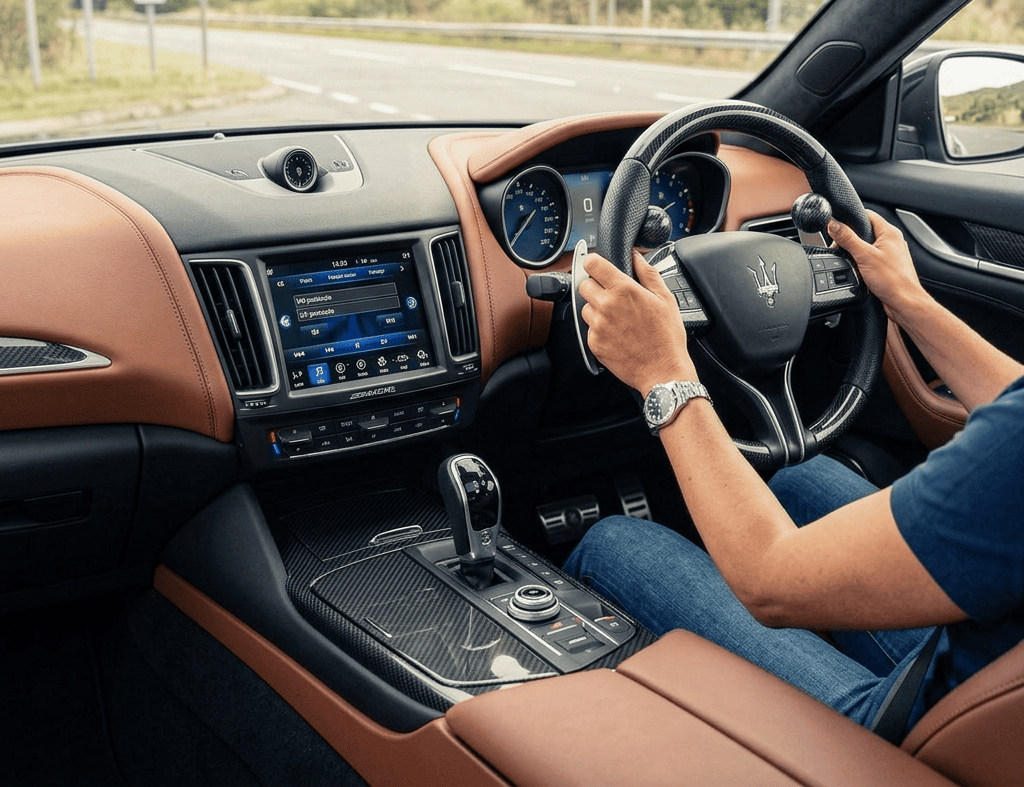
I’m a wheelchair user and part of a family of four. I drive long distance with push-pull hand controls and day to day, I use a steering aid, and often transfer straight from my wheelchair, into the driver’s seat. When I travel alone, I lift my lightweight manual wheelchair across the cabin and place it on the front passenger seat. When we travel as a family, the chair must fit in the boot without folding the rear seats.
That isn’t an extravagant brief. It’s simply what the car has to do.
As my current Motability lease moves closer to renewal, the list of cars able to meet that brief feels increasingly restricted. I’ve therefore started looking seriously at the private market, including brands that have left the Scheme and others that were never part of it.
This isn’t a rejection of Motability, nor a claim that buying privately will be cheaper for everyone. It’s a search for genuine choice, long-term ownership and a car that can be adapted safely around the way I actually drive.
Why I’m looking beyond Motability
I examined the Scheme in detail in Everything You Need to Know About Motability in 2026. My conclusion was nuanced. Motability can still represent very good value once insurance, maintenance and adaptations are included. The calculation becomes harder to defend when the only suitable vehicle carries a large Advance Payment.
A standard Motability car lease receives the full enhanced-rate mobility component of PIP, currently £80 a week. That comes to approximately £12,480 over three years, before any Advance Payment, adaptation contribution or excess-mileage charge. At the end, I return the car without owning it or holding any equity in it.
Advance Payments have continued to climb on some larger, more practical electric cars. In my earlier comparison, the seven-seat Peugeot E-5008 carried an Advance Payment of £7,899. I can’t justify paying almost £8,000 upfront for a car I’ll use for three years and never own. That payment would sit on top of my full mobility allowance.
The cheaper end of the list doesn’t necessarily solve the problem. When I checked the electric selection on 20 September 2026, only five battery-electric choices appeared without an Advance Payment. A small EV can be affordable within the Scheme and still be unusable for a wheelchair, four people and their luggage.
The terms have tightened too. Cars ordered from 1 July 2026 now include 30,000 miles over three years. The excess-mileage rate is higher, the insurance excess I would pay after a claim has increased, and a new three-year agreement includes up to six replacement tyres. My car often does the work that inaccessible or unreliable public transport cannot. These aren’t abstract terms and conditions.
Audi, BMW, Lexus and Mercedes-Benz were also among the marques removed from the Scheme as Motability narrowed its focus. Whatever anyone thinks about the definition of a premium vehicle, those brands make several potentially suitable cars. Seat comfort, driving position, cabin space and a refined ride can carry particular value for a disabled driver.
So I’m asking a different question. If I’m already committing a significant amount of money, would I be better putting it towards a car I can keep? Private ownership would give me the full market to choose from and more time to spread the cost of the adaptations.
What I need from the car
My wheelchair measures approximately 50cm wide, 70cm long and 60cm high, and weighs 5.5kg. A manufacturer’s luggage figure gives me a useful first filter. It can’t tell me whether the chair will pass through the opening, clear the parcel shelf or sit securely beside the family’s bags.
- Family practicality: five doors, four usable seats and a boot that can carry my chair with the rear seats upright.
- A workable transfer: suitable seat height, a wide door opening and enough space beside the car for my wheelchair.
- Front-cabin clearance: room to lift my chair across my body without the centre console, dashboard or passenger seat blocking the route.
- Safe adaptations: hand controls and a steering aid that don’t obstruct airbags, knee space, paddles, switches or the steering column.
- Comfort and enjoyment: a supportive seat, settled ride and a cabin I’ll enjoy spending time in.
This research produces a shortlist for physical assessment. It does not guarantee that an installer can adapt every version of every car.
Why I will never assume hand-control compatibility
In 2023, I had a Suzuki Vitara Hybrid through Motability with push-pull hand controls. In my experience, the controls appeared to stop responding as the car moved between parts of its hybrid system. The braking response became unreliable too.
I was driving a car I couldn’t trust to accelerate or brake consistently. The experience nearly killed me. I don’t say that lightly.
I returned the car. This doesn’t mean every Vitara Hybrid or hand-control system will behave in the same way. I also can’t claim an engineering cause that no independent investigation established. I can only describe what happened to me and what it changed.
Since then, I’ve refused to treat a vehicle and its adaptations as two separate purchases. Hybrids and EVs can combine regenerative braking, electronic accelerator signals, selectable drive modes, steering-wheel paddles and active safety systems. Those features don’t automatically make a car unsuitable. They do mean the installer must assess the exact model, year, software, trim and proposed control system together.
A salesperson’s verbal assurance isn’t enough. I want the adaptation installer, and where necessary the vehicle manufacturer, to approve the proposed installation in writing. I also want the controls tested across every relevant driving state, with responsibility for any problem made clear before I place an order.
The private-market shortlist at a glance
The figures below use manufacturer WLTP range and published boot capacity with the rear seats upright. Prices and specifications were checked on 20 September 2026 and can change by model or trim.
- BMW iX1: electric | 490-litre boot | up to 320 miles | from £33,315 after the current grant | strongest public adaptation evidence
- Audi Q4 SUV e-tron: electric | approximately 520 litres | up to 344 miles | from £46,260 | strong all-round premium choice
- Lexus RZ: electric | 586 litres | up to 346 miles | from £48,365 | comfort-led choice with a generous boot
- Lexus NX 450h+: plug-in hybrid | 549 litres | around 45 electric miles | from £52,095 | strongest PHEV all-rounder
- Mercedes-Benz GLB Electric: electric | 540 litres | up to 380 miles | from £46,100 | best family-space proposition
- Mercedes-Benz GLC 300 e: plug-in hybrid | 470 litres | up to 75 electric miles | from £60,725 | longest electric PHEV range here
- Genesis Electrified GV70: electric | 503 litres | up to 298 miles | from £65,915 | luxury and nearly-new value
- BMW iX3: electric | approximately 520 litres | up to 500 miles | from £58,755 | strongest long-distance EV
- XPENG G6: electric | 571 litres | up to 332 miles | from £39,990 | space, equipment and rapid charging
Published hand-control evidence exists for only part of this list. “No public example found” does not mean a vehicle is incompatible. It means I couldn’t find reliable, current UK evidence for an installation matching my requirements.
BMW iX1: the strongest place to begin
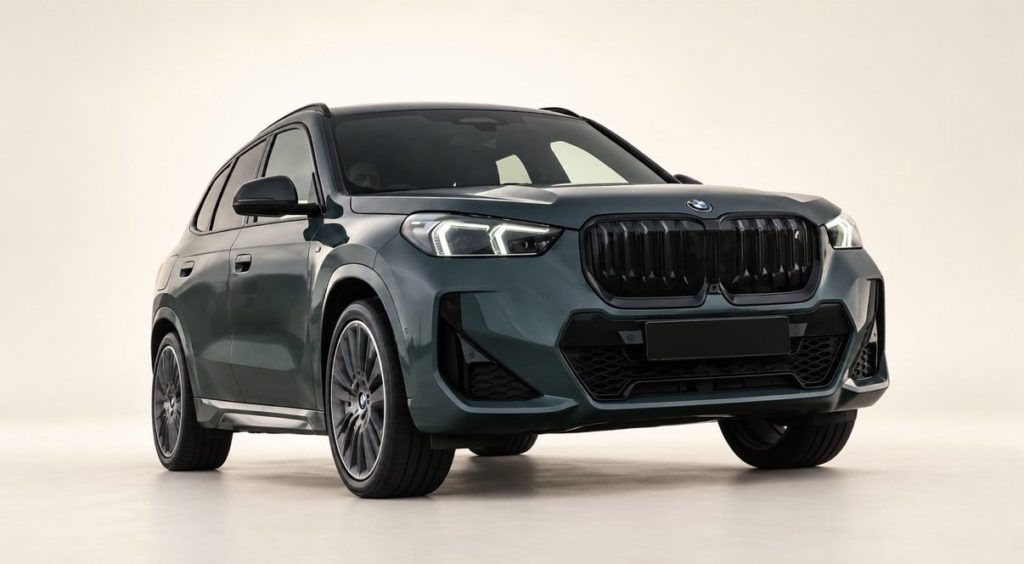
At a glance: electric | 490-litre boot | up to 320 miles | strongest public hand-control evidence
The BMW iX1 has the most useful adaptation evidence I found. An iX1 appears on the official Motability Scheme Live adapted test-drive list with a Jeff Gosling mechanical push-pull control and steering ball. The control pulls to accelerate and pushes to brake. Jeff Gosling also has a model-specific iX1 entry in its vehicle database.
That doesn’t confirm that every iX1 will suit every driver, but it moves the car beyond a theoretical possibility. BMW quotes 490 litres of luggage capacity and up to 320 miles of range. Its manageable exterior size also matters. In an ordinary parking bay, space to position my chair and open the driver’s door can be more valuable than another 100 litres in the boot.
My view: this is the first adapted test drive I would arrange. The remaining question is whether my chair fits comfortably in the boot alongside everything a family of four needs.
Audi Q4 SUV e-tron: the best-balanced premium EV
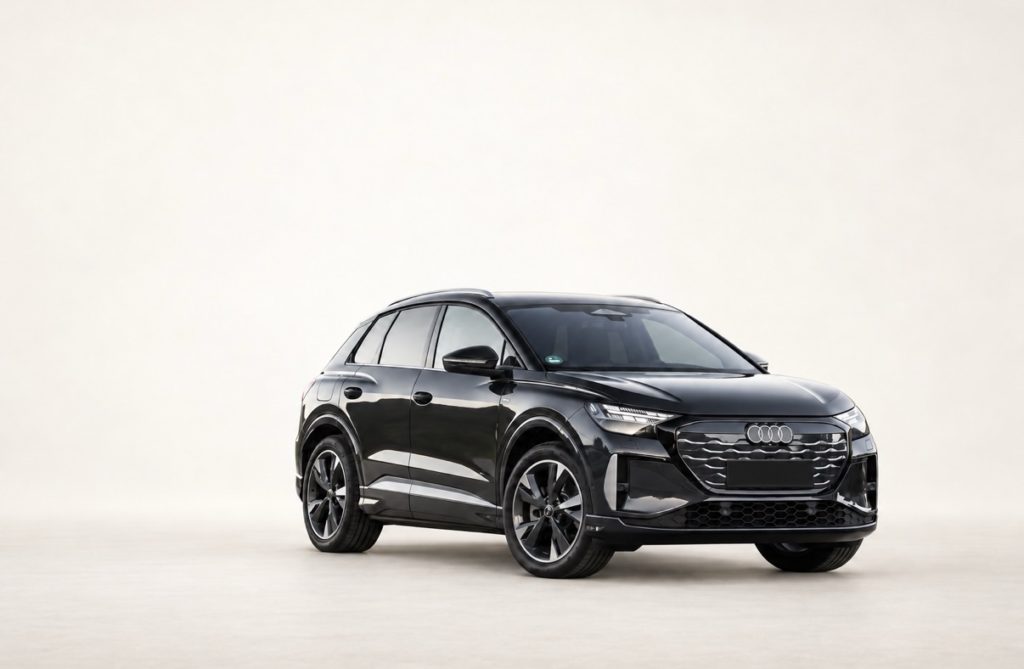
At a glance: electric | approximately 520-litre boot | up to 344 miles | model-specific installer entry
The Audi Q4 e-tron sits in a useful middle ground. It feels spacious without becoming enormous, offers a conventional SUV driving position and has a substantial, square luggage area. It also has a model-specific entry in Jeff Gosling’s database.
I would pay particular attention to the shape of the steering wheel, the position of its controls and the clearance around my knees. Design matters to me too. I’ve always loved a good-looking car. My ideal Q4 would combine the styling I enjoy with a comfortable memory seat that returns me to the right transfer position every time.
My view: on paper, the Q4 is one of the strongest all-rounders. It combines family space, sensible proportions and some installer evidence while still feeling like a considered choice in its own right.
Lexus RZ: comfort, space and usable controls

At a glance: electric | 586-litre boot | up to 346 miles | no matching public UK installation found
The Lexus RZ offers one of the largest boots in this group. The RZ 350e also combines a large central screen with physical dials for climate and audio functions. I value controls I can locate without taking my attention from the road, especially when one hand is already committed to accelerating and braking.
Lexus offers steer-by-wire on parts of the RZ range, including a compact yoke-style control. I would concentrate on a version with a conventional round steering wheel because the yoke changes where, and possibly whether, a steering aid can be fitted.
My view: the RZ may be the comfort-led sweet spot. Its generous boot and calmer approach to cabin controls deserve a closer look, but the steering system must be chosen carefully.
Lexus NX 450h+: the plug-in hybrid I most want to test
At a glance: plug-in hybrid | 549-litre boot | around 45 electric miles | no matching public UK installation found
The Lexus NX 450h+ is the strongest PHEV candidate in this group. It offers a 549-litre boot, all-wheel drive and petrol backup when public charging is inaccessible, occupied or simply not where I need it.
That flexibility has value because accessible charging remains inconsistent. Bays can be too narrow for a transfer, cables are often heavy and controls may sit beyond a wheelchair user’s reach. A PHEV only makes sense if it is charged regularly, but it can remove some uncertainty from longer family journeys.
The Suzuki experience makes one question central: will the controls remain smooth and predictable through electric driving, engine intervention, regenerative braking and every selectable mode?
My view: this is the PHEV I would most like to make work. A thorough adapted drive across the complete hybrid system would decide whether I could trust it.
Mercedes-Benz GLB Electric: the family-space leader
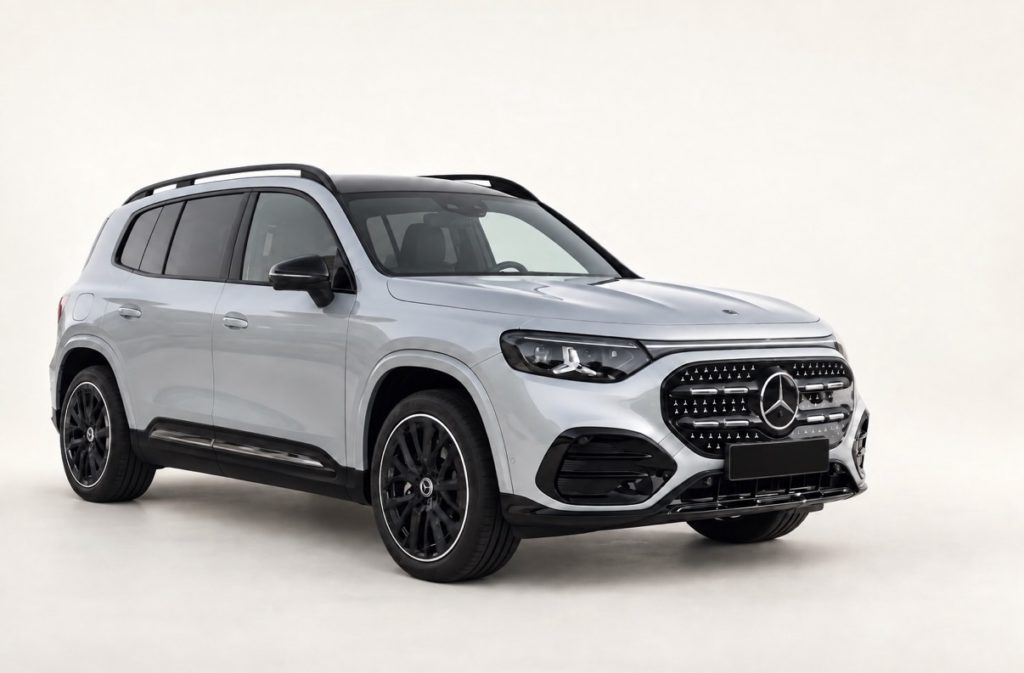
At a glance: electric | seven seats | 540-litre boot | up to 380 miles | no matching public UK installation found
The electric GLB makes the clearest family case. It offers seven seats, a 540-litre boot and a 127-litre front storage compartment. For us, the third row would usually remain folded. That should leave useful space for my wheelchair and luggage while retaining flexibility when we need to carry an extra passenger.
Its boxier shape may also prove more useful than a coupé-style SUV with a similar published capacity. The boot opening, parcel shelf and folded-seat mechanism still need testing. Its newness means there is less public adaptation evidence than I found for the BMW iX1 or Audi Q4.
My view: the GLB may become the most convincing family option here. Its space earns it a test, but I would need firm adaptation approval before going further.
Mercedes-Benz GLC 300 e: electric daily driving with petrol backup
At a glance: plug-in hybrid | 470-litre boot | up to 75 electric miles | no matching public UK installation found
The GLC 300 e offers enough claimed electric range to cover many daily journeys while keeping a petrol engine for longer travel. Its main compromise is the boot. The plug-in hybrid battery reduces capacity to 470 litres, so the shape of that space matters as much as the headline figure.
The GLC is also relatively wide. Its comfort and transfer height may work beautifully, but width can turn against a wheelchair user in a standard parking bay. Optional remote parking could help if it allows me to move the car clear of a tight space before transferring.
My view: the GLC offers an appealing balance of electric daily driving and petrol reassurance. My chair, the driver’s door and the adapted driving position would all need to work together.
Genesis Electrified GV70: the luxury and nearly-new choice
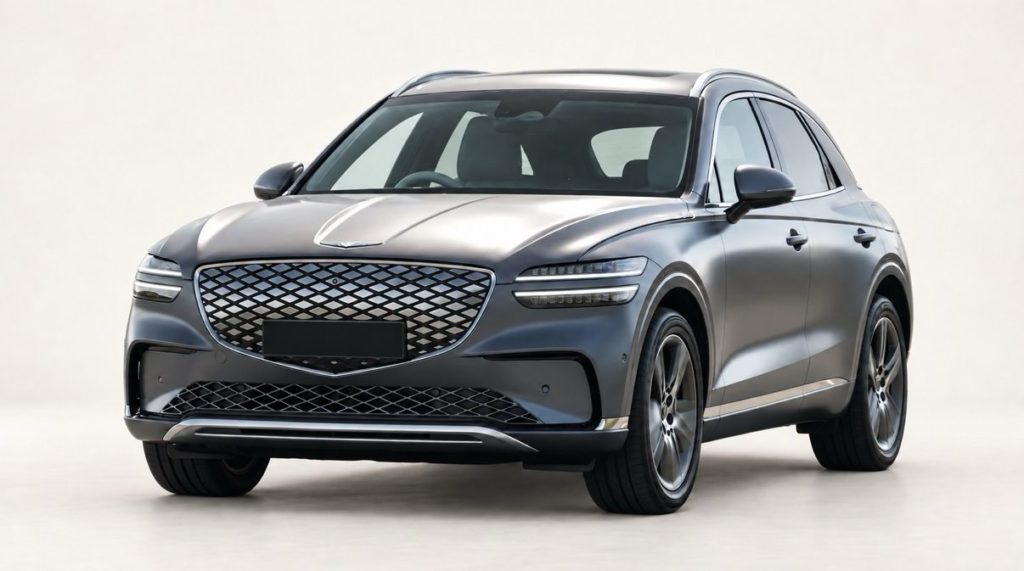
At a glance: electric | 503-litre boot | up to 298 miles | no matching public UK installation found
The Genesis Electrified GV70 is the car that makes the private market feel most interesting. It is quiet, powerful and built around comfort. The Pure model offers a 503-litre boot, a small front storage area and a quoted 10 to 80 per cent charging time of 19 minutes. Height-adjustable front seats and a powered tailgate come as standard.
The GV70 starts above £65,000 new, which makes the approved-used market particularly relevant. Low-mileage examples can sit well below the original list price, while Genesis provides a five-year, unlimited-mileage warranty and roadside-assistance package from new.
My questions are concentrated around the driver. The centre console is substantial. The D-shaped steering wheel carries a Boost button and sits close to the regenerative-braking paddles. The car also has a driver knee airbag. Each detail could affect the path of my chair or the position of my hand controls.
My view: the GV70 is one of the most tempting ownership propositions here, especially nearly new. The front cabin will decide whether it works for me.
BMW iX3: the long-distance electric choice
At a glance: electric | approximately 520-litre boot | up to 500 miles | model-specific installer entry
The new BMW iX3 changes the long-distance argument. BMW quotes up to 500 miles across the model line, while the iX3 50 xDrive offers up to 492 miles. It also provides approximately 520 litres of rear luggage space and a 58-litre front compartment.
Its camera and remote-parking technology could help with transfers in tight spaces. The high seating position may be an advantage or a barrier, depending on the individual transfer. Jeff Gosling has a model-specific iX3 entry that distinguishes between the earlier car and the version introduced for 2026.
My view: this is the most convincing long-distance EV on paper. The new-generation car is the one I would assess, and I wouldn’t assume evidence for the previous iX3 transfers automatically.
XPENG G6: the space and value challenger
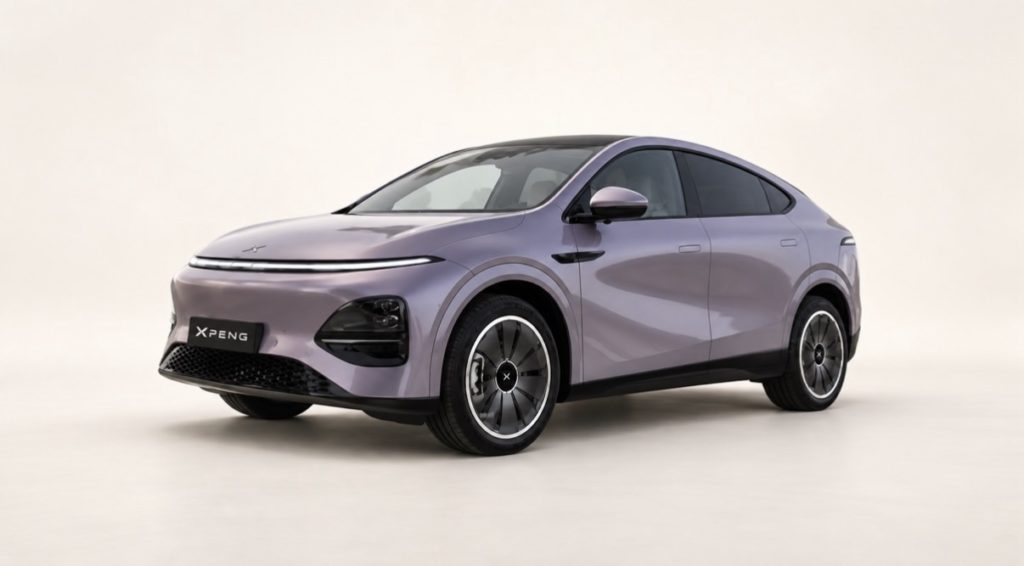
At a glance: electric | 571-litre boot | up to 332 miles | no matching public UK installation found
The XPENG G6 brings excellent numbers. Its 571-litre luggage space is among the best here, while its 800-volt architecture allows a claimed 10 to 80 per cent charge in 12 minutes at a sufficiently powerful charger. Heated seats across both rows, ventilated front seats, a heat pump and a reclining rear bench strengthen the proposition.
XPENG remains relatively new in the UK, so its dealer and adaptation knowledge base is still developing. The cabin is also screen-led. It has a display in front of the driver, but many functions remain within the central touchscreen. I need to know how usable those controls feel when one hand is already occupied.
My view: the G6 offers remarkable space, equipment and charging ability for the money. For now, the car is ahead of the public adaptation evidence around it.
The four I would test first
- BMW iX1, because it has the clearest evidence of a working push-pull installation.
- Audi Q4 e-tron, because it balances cabin space, boot capacity, manageable size and installer familiarity.
- Lexus RZ 350e, because its comfort, generous boot and physical controls could make it exceptionally easy to live with.
- Genesis Electrified GV70, because the nearly-new market may offer an excellent ownership proposition if its front cabin works for my transfer.
The Lexus NX 450h+ remains my leading plug-in hybrid. The electric Mercedes-Benz GLB is the family-space leader, the BMW iX3 is the long-distance choice and the XPENG G6 is the value challenger.
None of them wins until my wheelchair, my body and my controls have been tested in it.
What the evidence really tells us
The BMW iX1 has the strongest public evidence in this research: an official adapted test vehicle with a named mechanical push-pull system and steering ball. The Audi Q4 e-tron and BMW iX3 have model-specific entries in an established installer’s database, although the generation and model year still matter.
I found no reliable public UK confirmation of an installation matching my requirements for the Lexus RZ, Lexus NX, Mercedes-Benz GLB Electric, Mercedes-Benz GLC 300 e, Genesis Electrified GV70 or XPENG G6.
That doesn’t make those cars incompatible. It shows how much detective work disabled customers still have to do before making a very expensive decision.
Manufacturers should say whether they have assessed a vehicle with commonly used hand controls, which installers they have worked with and whether approved equipment affects the warranty. They should also explain how adaptations interact with regenerative braking and driver-assistance systems. Customers need those answers before placing a deposit.
My private-buying checklist
Before paying a deposit, I would want the dealer, finance provider, insurer and adaptation installer to answer these questions in writing:
- Has the installer assessed this exact model, generation, trim and model year?
- Which push-pull system will be fitted, and is it mechanical or electronic?
- Has it been tested across every drive mode, including regenerative braking and hybrid power transitions?
- Will the steering aid obstruct an airbag, button, paddle or the instrument display?
- Will I retain enough knee and leg clearance once the control is fitted?
- Can I transfer safely and lift my chair onto the passenger seat?
- Will the wheelchair pass through the boot opening and sit below the parcel shelf?
- Does the installation affect the manufacturer’s warranty or roadside support?
- Has the finance company approved the adaptation in writing?
- Does the insurer understand every modification, and does the policy cover the equipment?
- Can I drive an adapted demonstrator before the order becomes binding?
I would compare the complete private cost too, not simply the monthly finance figure. The calculation must include the initial payment, monthly payments, interest, insurance, servicing, tyres, breakdown cover, charging equipment, adaptations, later removal and the car’s likely value at the end.
Private ownership may leave me with an asset. It also leaves me carrying more of the cost and risk.
Choice only matters when the car works
The private market can’t reproduce Motability’s managed package without additional work and expense. I would need to arrange insurance, fund the adaptations and take responsibility for maintenance and depreciation.
It also changes the calculation. I can consider new, nearly-new and used cars across a much wider market. I can keep the right vehicle beyond three years, spread the cost of its adaptations over longer and retain some value when I eventually sell it.
Most importantly, greater choice gives me a better chance of finding a car that genuinely fits the way I drive and travel.
For a wheelchair-using family of four, five doors and an SUV body are only the beginning. The full picture includes transfer space, the path of a chair across the cabin, the shape of the boot, the position of the airbags and the response of the controls every single time.
Range, design, technology and the feeling a car gives me matter too. The best private-market choice will bring those qualities together with the space, comfort and adaptation compatibility I need.
It will be the car I can trust and enjoy owning.
Vehicle specifications, prices and availability were checked on 20 September 2026. WLTP figures are provided for comparison and will vary in real use. Adaptation compatibility varies by driver, vehicle, trim, model year and control system.
Sources and further reading
- Motability in 2026: costs, EVs, adaptations and value
- Motability Scheme July to September 2026 price-list commentary
- PIP rates on GOV.UK
- Motability fair-usage policy
- Motability Scheme Live adapted test-drive vehicles
- Jeff Gosling vehicle database
- BMW iX1 specifications
- Audi Q4 SUV e-tron specifications
- Lexus RZ specifications
- Lexus NX specifications
- Mercedes-Benz GLB Electric specifications
- Mercedes-Benz GLC specifications
- Genesis Electrified GV70 specifications
- Genesis Electrified GV70 UK price list and dimensions
- BMW iX3 specifications
- XPENG G6 model information

Leave a Reply