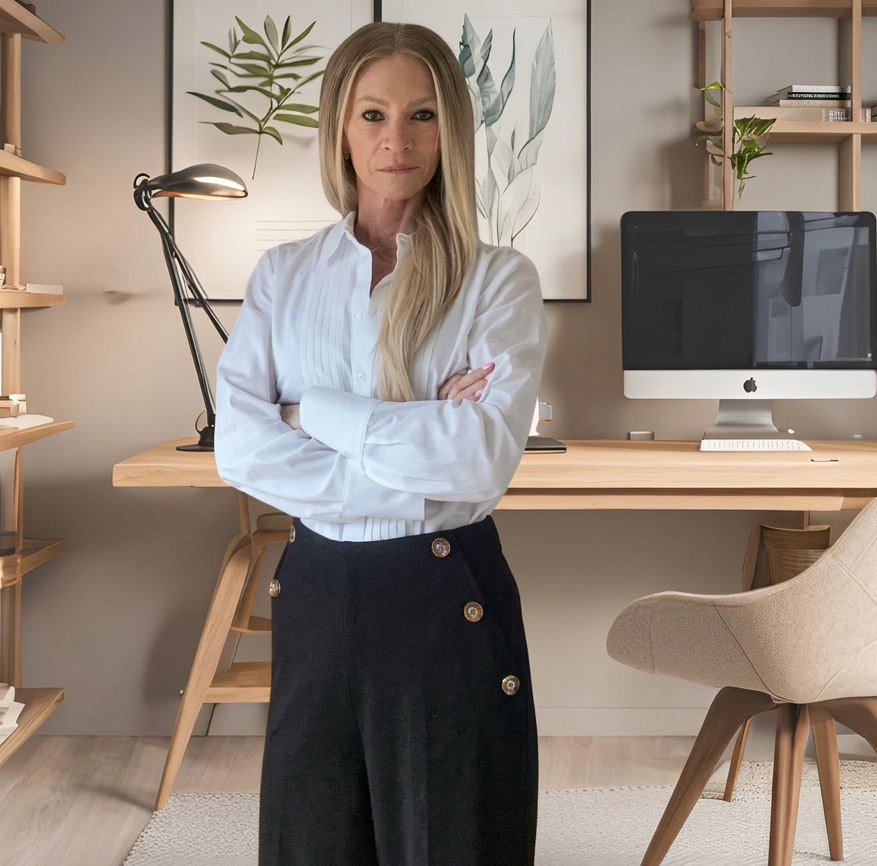
Perimenopause changed the way Kelly Phillips understood her own body. Now, through Strong Womenopause, she’s helping women, workplaces and the wider wellbeing industry move beyond awkward awareness and into practical support.
There are some conversations the workplace can only ignore for so long.
Not because they’re new.
Because they’ve always been there.
In the women quietly managing anxiety they can’t explain. Or the colleague who has stopped putting herself forward because brain fog has shaken her confidence. In the leader who’s exhausted before the day has properly begun. In the employee still performing, still caring, still showing up, while privately wondering why her body no longer feels like her own.
For too long, menopause and perimenopause have been treated as private matters. Something women should manage quietly, sensitively and ideally without asking too much of anyone else.
But private doesn’t mean insignificant.
And quiet doesn’t mean supported.
Kelly Phillips understands this because her work didn’t begin in theory. It began in her own body.
Before becoming an Executive Menopause Coach, Fitness and Nutrition Coach, Corporate Trainer and Workplace Wellbeing Specialist, Kelly was working full time in the legal sector, raising two children and, like many women, pushing her own needs to the bottom of the list.
“I convinced myself that I simply didn’t have time to prioritise exercise consistently,” she says.
Then her body forced her to listen.
Almost overnight, Kelly began experiencing anxiety unlike anything she’d known before. Then came persistent aches, pains and eventually sciatica. At the time, she didn’t recognise these as some of the early signs of perimenopause. Running became impossible. Movement became harder. Her physical and mental health began to deteriorate.
It was her husband who suggested strength training.
That suggestion changed everything.
“As I became stronger, the sciatica, aches and pains gradually disappeared,” Kelly says. “The anxiety reduced dramatically and I began to feel like myself again.”
Strength training didn’t only give her relief. It gave her a different relationship with her body.
“Strength training taught me something I had never fully understood before. My body wasn’t working against me, it was asking for a different kind of support.”
That understanding runs through Kelly’s work.
For so many women, midlife is still framed as something to battle through. Eat less. Train harder. Push through. Accept exhaustion, weight gain, a loss of confidence. And simply accept that this is simply what happens.
Kelly’s work asks a better question.
What if women haven’t failed their bodies?
What if the advice has failed them?
When the advice doesn’t fit the body
Kelly didn’t originally train as a personal trainer because she planned to change careers. She completed her qualification to prepare for her first bodybuilding competition before turning 40.
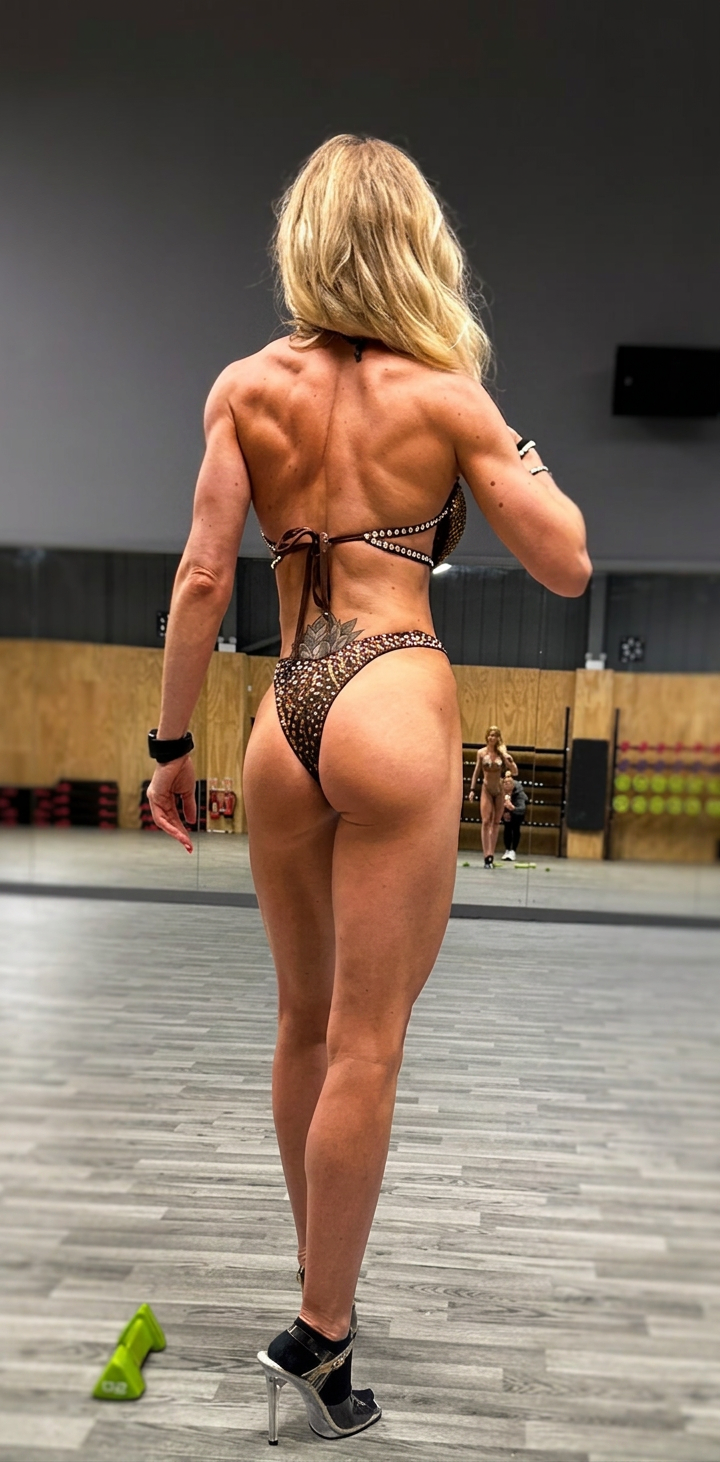
At the time, she was still working in law. When she began coaching clients alongside that role, she quickly noticed a pattern.
Many of the women coming to her had spent years following generic diet plans, restrictive eating programmes and exercise regimes. They had been told, directly or indirectly, that their lack of progress was a question of willpower or discipline.
Kelly saw something different.
“They often blamed themselves, believing they lacked willpower or discipline, when in reality the advice they had been given simply wasn’t taking account of what was happening in their bodies.”
That distinction matters.
Women are often asked to take personal responsibility for the failure of systems, advice and industries that never properly understood them in the first place.
Too much health and fitness advice still speaks to women as though their bodies are static. As though stress, sleep, hormonal shifts, caring responsibilities, work pressure, recovery, nutrition and muscle mass can be ignored.
Kelly saw how damaging that could be.
Women were being offered one-size-fits-all solutions and expected to get lasting results from them. When those approaches didn’t work, they were left carrying the shame.
That realisation shaped the direction of Kelly’s work. She went on to train in nutrition, behaviour change, mental health awareness, menopause, eating disorders and trauma-informed coaching.
The more she learned, the clearer the issue became.
Sustainable health and fitness support couldn’t begin with a template.
It had to begin with the woman in front of her.
What women have been told to accept
What didn’t sit right with Kelly was how many women had come to believe that exhaustion, weight gain, anxiety, low confidence and struggling through menopause were simply part of the deal.
“They had spent years dieting, restricting calories and following plans that were impossible to sustain long term,” she says. “When those approaches inevitably failed, they blamed themselves rather than questioning the advice they had been given.”
That is where the damage begins.
Not only in the symptoms themselves, but in the interpretation of them.
When a woman believes she has failed because she is tired, anxious, gaining weight or unable to train in the same way she once did, she doesn’t only lose energy. She can lose trust in herself.
Particularly during perimenopause and menopause, Kelly sees women trapped in cycles of restriction, frustration and self-blame. They have often been told to eat less and push harder at the very moment their bodies may need better nourishment, more recovery, smarter strength work and a more compassionate strategy.
That matters because menopause often arrives during some of the most demanding years of a woman’s life.
Careers are at their fullest. Families may still need care. Older parents may need support. Relationships may be shifting. Personal identity can be changing. Responsibilities rarely reduce simply because a woman’s body is asking for attention.
Kelly is clear that the impact isn’t limited to physical symptoms.
“When women are left unsupported and overwhelmed, they can start making major life decisions from a place of exhaustion rather than empowerment.”
It’s a reality workplaces, health professionals and fitness brands need to take seriously..
This isn’t simply a personal wellbeing issue.
It is a question of what women are being expected to carry, and how long they are expected to carry it without proper support.
The fitness industry’s missing context
In Kelly’s experience, one of the biggest misunderstandings in the health and fitness industry is the idea that women in perimenopause and menopause can be treated like everyone else, with only minor adjustments.
That doesn’t reflect the women she works with.
Perimenopause and menopause can include a wide range of symptoms: hot flushes, disrupted sleep, anxiety, joint pain, digestive issues, brain fog, fatigue, body composition changes and more. Two women of the same age can be having entirely different experiences.
That individuality is central to Kelly’s approach.
“I don’t believe there is a one size fits all menopause plan,” she says. “The most effective approach is always to understand the individual woman in front of you.”
The missing word in so much fitness advice is context.
The question isn’t only what programme a woman should follow. It is what is happening in her body, how well she’s sleeping, what stress she is under, whether she has the capacity to recover, what she is eating, whether she is eating enough, which symptoms she is managing and what her life can realistically sustain.
Without that understanding, even well-intentioned advice can become another pressure point.
Kelly often sees women who have become frightened of food because they have started gaining weight during menopause. They eat less and less, hoping restriction will solve the problem, while becoming more tired, hungry and frustrated.
At the same time, many are missing the nutritional foundations that would support energy, recovery, muscle mass and satiety. Protein, strength training, sleep, stress management and recovery are not glamorous quick fixes. But they are often the things that begin to change how a woman feels in her own body.
For Kelly, the conversation needs to move away from punishment.
“What women need to hear is that menopause is not a personal failure, and their bodies are not broken,” she says.
This is where her work begins to feel bigger than fitness.
It isn’t about asking women to become smaller, stricter, leaner or more disciplined. It is about giving them the knowledge and support to stop fighting their bodies and start working with them.
“When women are left unsupported and overwhelmed, they can start making major life decisions from a place of exhaustion rather than empowerment.”
The shift from shame to self-trust
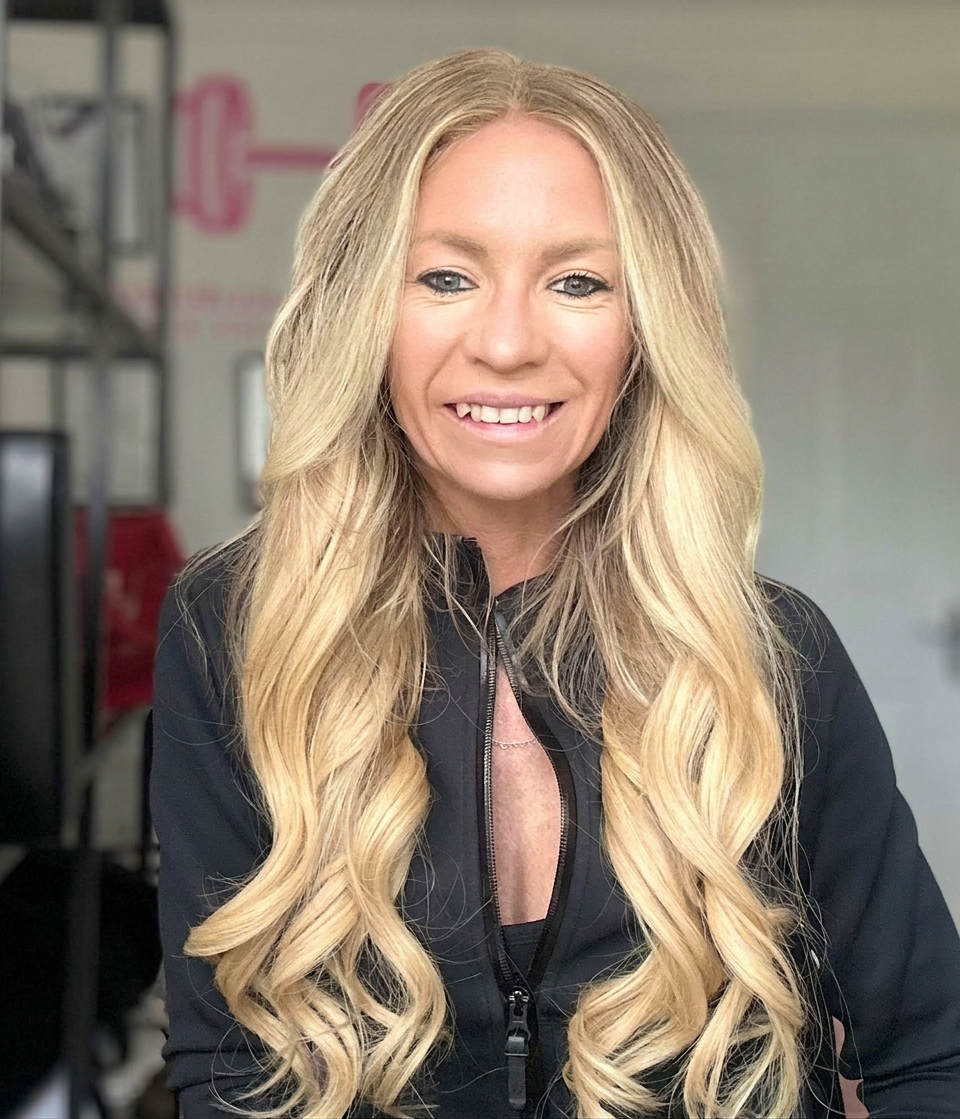
When women first come to Kelly, they are often carrying far more than physical symptoms.
There may be fatigue, weight gain, disrupted sleep, hot flushes, joint pain, digestive issues or a loss of strength and energy.
Underneath that, Kelly often sees grief, frustration and guilt.
“Some are grieving the person they used to be,” she says. “Others feel guilty because they believe they should be coping better.”
Most often, she sees a loss of confidence.
These are women who may have managed careers, families, businesses and responsibilities for years. Capable, experienced women who are used to holding things together. Then, suddenly, symptoms they don’t understand begin to affect how they think, sleep, work, train and feel.
That can be deeply isolating.
Before any conversation about nutrition or exercise can properly begin, many women need to feel heard. They need to know they’re not imagining it. They need someone to tell them that what they’re experiencing isn’t a moral failure.
“When women understand that these changes are not personal failures everything changes, because the shame disappears.”
“I don’t think many women realise how much shame they have been holding.”
That is the turning point.
Self-compassion isn’t weakness. It is often the first condition for meaningful change.
Kelly’s approach brings fitness, nutrition, education and support together. Education helps women understand what is happening in their bodies. Fitness builds strength, resilience, mobility and confidence. Nutrition supports energy, recovery and symptom management. Ongoing support helps women sustain the changes they are trying to make.
But the deeper transformation is often not about a number on a scale.
It is about trust.
“For most of the women I work with, body confidence has very little to do with appearance, although that isn’t always what they believe,” Kelly says. “It’s about trusting their body again.”
That is a very different kind of body confidence from the one much of the fitness industry has sold to women.
It isn’t about being looked at.
It is about being able to live.
To walk into a room without questioning yourself. Or to feel strong enough to do the things you enjoy. To get through the day without feeling like you are surviving on fumes. To recognise yourself again.
Why this belongs in the workplace
This is where Kelly’s work moves into a wider and urgent conversation.
Menopause doesn’t stop at the office door.
A woman may be experiencing disrupted sleep, anxiety, fatigue, brain fog, loss of confidence or physical symptoms while still being expected to perform, lead, manage, deliver, care and communicate at the same level as before.
For years, menopause was treated as something women should manage privately.
Workplaces are now being asked to think differently.
Kelly is taking her work into corporate training and business support because she understands that menopause isn’t simply a wellbeing conversation. It is a retention conversation. A leadership conversation. A talent conversation. A productivity conversation. A dignity conversation.
“Menopause needs to be understood as a workplace issue because its impact doesn’t stop when a woman arrives at work”
That is the commercial and cultural reality many organisations can no longer afford to miss.
Kelly points to research suggesting that one in ten women leave their jobs because of menopause symptoms, while many others reduce their hours, step back from leadership opportunities or consider leaving workplaces they have spent years contributing to.
For employers, that should matter.
Not only because support is the right thing to do, but because organisations risk losing experienced, skilled and valuable women at the very point they should be retaining and supporting them.
Recent government guidance has also moved the conversation forward. Employers with 250 or more employees can now publish voluntary action plans alongside gender pay gap data, including steps to support employees experiencing menopause. Subject to legislation, those plans are expected to become mandatory from spring 2027.
That shift matters.
It means menopause support is moving from something thoughtful employers might choose to offer into something many organisations will be expected to evidence more clearly.
Kelly is building her workplace offer in that gap between awareness and action.
Awareness isn’t enough
There is more menopause awareness than there used to be.
But awareness alone doesn’t change what a woman experiences on a Tuesday afternoon when she can’t concentrate, has slept badly for weeks, feels embarrassed by symptoms she can’t control and doesn’t know whether her manager will respond with care or awkwardness.
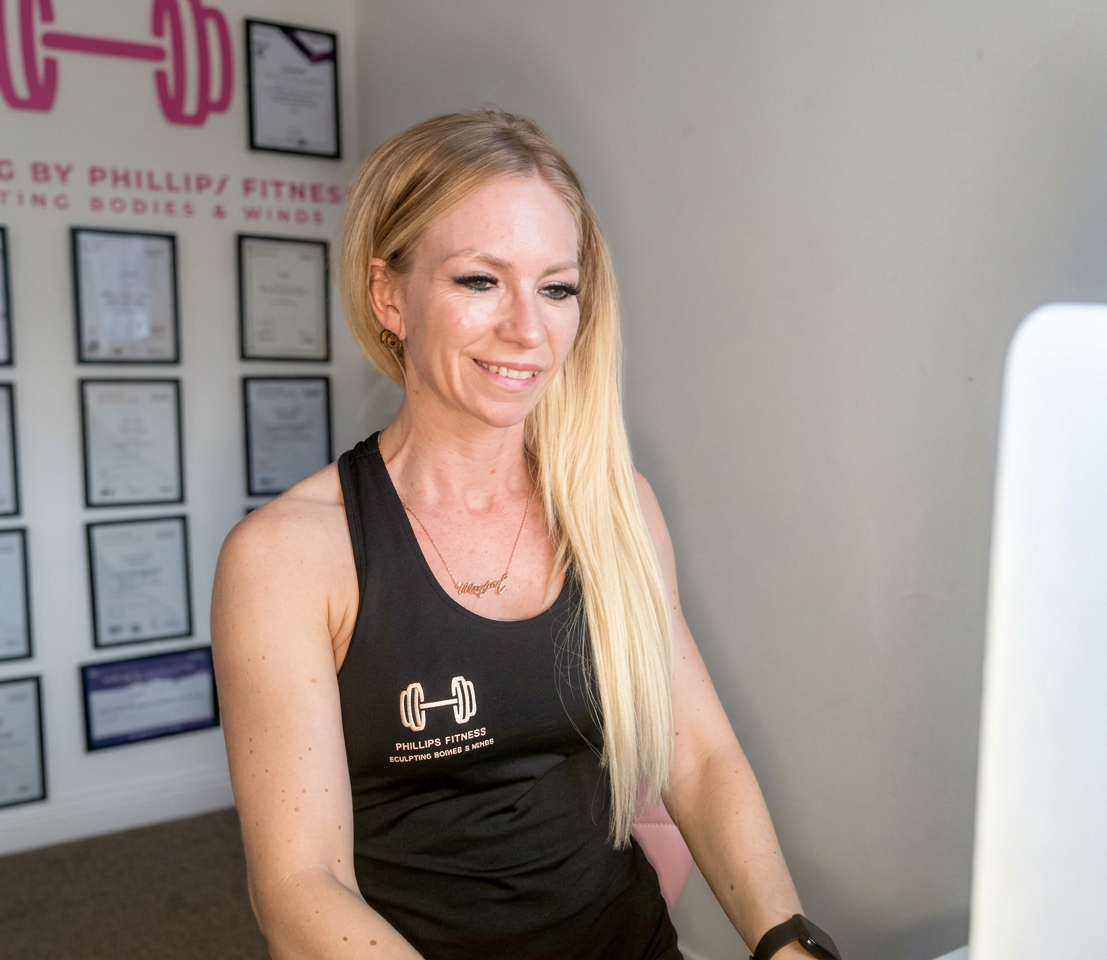
Awareness tells people menopause exists.
Practical support tells women what happens next.
That distinction is central to Kelly’s corporate work.
She wants organisations to move beyond one-off sessions and into meaningful structures: manager and employee education, clear menopause policies or action plans, open conversations, reasonable workplace adjustments, flexible working where appropriate, signposting to support, psychologically safe cultures, and health, fitness and nutrition support that can help women manage symptoms in real life.
The difference matters.
A workplace can say the right things and still leave women unsupported.
Kelly sees this most clearly when highly capable women begin questioning their own competence.
“I have had women tell me they thought they were going mad,” she says. “Taking that feeling into work can be so heavy, especially in pressurised roles.”
These are often women with decades of experience, leadership skills and organisational knowledge.
When the workplace doesn’t understand what is happening, those women may start to step back before anyone realises what is being lost.
That is why Kelly’s work feels timely. She isn’t only teaching employers what menopause is. She is helping them understand why support needs to be practical, visible and embedded.
The standard Kelly is building
Kelly is clear about the myth she most wants to break.
That menopause marks the beginning of decline.
“I want it to mark the beginning of an exciting new chapter of life.”
That isn’t a motivational slogan. It is a refusal to accept that women should be handed a smaller version of themselves at midlife and told to be grateful.
Too many women have been taught to expect weight gain, exhaustion, poor health and reduced opportunity. Kelly wants women to know that this stage can be one of strength, growth and reinvention when the right support is in place.
Her next step is to continue bridging the gap between health, wellbeing and workplace support through her Strong Womenopause Workplace education, health and wellbeing services and accreditation.
The accreditation is important because it speaks to evidence, not optics.
Kelly doesn’t want organisations to be able to simply attend a workshop and declare the work done. Her aim is to recognise employers who can demonstrate a real commitment to supporting employees through menopause, with practical action measured against government guidance.
That is where the standard changes.
From awareness as performance.
To support as practice.
From a badge that says a business cares.
To evidence that it actually does.
What the industry should be listening to
When Kelly is asked what workplaces, health professionals, fitness spaces and wellbeing brands should be paying closer attention to, her answer is simple.
Women’s lived experiences.
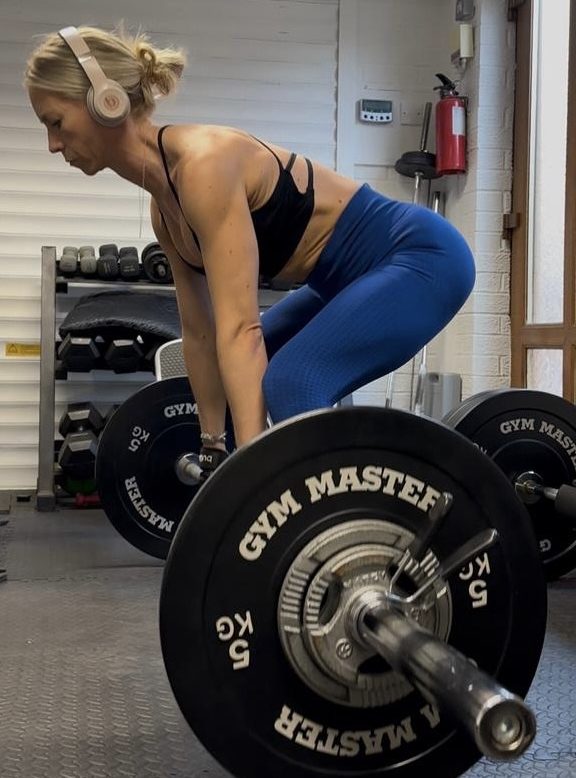
“Too often, solutions are designed around assumptions rather than listening to what women are actually saying they need.”
That is the thread running through so many industries.
Travel assumes what access means. Hospitality assumes what comfort looks like. Fashion assumes whose body is being designed for. Fitness assumes effort is the answer. Workplaces assume silence means someone is coping.
Lived experience often reveals the gap between what a sector thinks it offers and what people are actually experiencing.
Kelly’s work matters because it listens before it prescribes.
It doesn’t treat women as a demographic. It treats them as whole people with bodies, careers, responsibilities, histories, hormones, stress, ambition, confidence and lives that cannot be reduced to a meal plan or a policy document.
That is what the wider industry still needs to understand.
Women don’t need more one-size-fits-all solutions.
They need education, support, compassion and respect.
To be listened to, not dismissed.
They need workplaces that understand menopause as part of how people experience working life, not as an inconvenience to be hidden.
For fitness and wellbeing spaces that stop treating midlife bodies as problems to correct.
They need employers who understand that retaining women isn’t only about policy, but about whether women feel able to be honest without being diminished.
Life Without Limits
When Kelly is asked what Life Without Limits means to her, she doesn’t frame it as pretending limits don’t exist.
She frames it as refusing to let age, menopause or societal expectations define what is possible.
“For me, it is about helping women recognise that this chapter of life is not about limitation,” she says. “It is about understanding themselves differently, embracing change and creating a future that feels healthy, fulfilling and meaningful on their own terms.”
That is why Kelly’s work sits so naturally within Life Without Limits.
Life Without Limits was created to hold stories of people changing how the world works in practice for those who experience it differently, whether that difference is shaped by disability, health, ageing, identity, design, work, movement or the body itself.
Perimenopause and menopause can change how a woman experiences her body, her work, her confidence, her relationships and her future. The issue isn’t that change happens. The issue is how little meaningful support women have historically been given while navigating it.
Kelly’s work sits in that gap.
Between what women were told to endure and what they deserve to understand. Or between workplace awareness and workplace action.
Between body confidence as appearance and body confidence as trust.
Between pushing through and being properly supported.
The Conversation Workplaces Can’t Afford to Ignore
Kelly Phillips isn’t simply helping women exercise, eat better or manage symptoms.
She is challenging a much older expectation: that women should quietly adapt to systems, workplaces and industries that were not built with their bodies in mind.
Her work asks what would happen if women were properly educated before they blamed themselves. If employers were prepared before talent was lost. And if fitness spaces understood context before prescribing intensity. If wellbeing support became practical, personalised and sustained.
That is the standard Kelly is raising.
Not that women should be made exceptional for needing support.
But that support should be part of the standard.
Because menopause isn’t a side conversation.
It is happening in boardrooms, kitchens, gyms, meetings, classrooms, courtrooms, shop floors, hospital corridors, leadership teams and homes.
The question is whether women are expected to carry it alone.
Kelly’s answer is no.
Kelly’s work reminds us that the limit was never women’s bodies.
It was how little support they were given to understand them.

Leave a Reply