
Reaching a Maldives resort may involve a speedboat, seaplane or domestic flight. For disabled travellers, choosing the right transfer can shape the whole stay. Here’s what the journey involves, where properties are getting it right and what to confirm before booking.
There are few arrivals in travel quite like the Maldives.
A seaplane banking over the atolls. A speedboat leaving Malé behind. The first glimpse of an island that, until that moment, has only existed in photographs.
The transfer isn’t simply transport between the airport and the hotel. It’s often the moment the holiday truly begins.
Maldives transfers for disabled travellers need a little more planning, but not because the destination should be written off. It’s because every island has its own route, vessels and way of welcoming guests.
A resort described as 20 minutes from the airport may offer a very different journey from one reached by a 35-minute seaplane. Neither is automatically better. The important question is whether the complete journey works for you.
Understanding Maldives resort transfers
Your international flight will usually take you to Velana International Airport. From there, most private island resorts arrange one of three transfers.
| Transfer | What the journey looks like | Why you might choose it |
| Speedboat or yacht | Direct from Velana to the resort | Can operate after dark and may involve fewer handovers |
| Seaplane | A scenic flight from the seaplane terminal to the resort or a nearby platform | A memorable part of the Maldives experience and often the quickest route to distant islands |
| Domestic flight and speedboat | A larger aircraft to a regional airport, followed by a shorter boat journey | More conventional aircraft and later operating times |
Private seaplanes and yachts may also be available. They offer more control over timing, space and privacy, although the physical boarding arrangement still needs to be confirmed.
The shortest transfer isn’t always the one that will feel easiest. Instead, look at the number of stages, the boarding method, the waiting time and how much choice you’ll have if plans change.
Arriving at Velana International Airport
There are encouraging signs at Velana.
The airport now publishes details of its dedicated assistance for disabled and neurodivergent passengers. This includes wheelchair assistance from the kerb to the aircraft seat, dedicated check-in desks, priority boarding, tactile guidance, accessible toilets and a sensory calm room.
Assistance should be arranged through your international airline before travel. Read Velana International Airport’s accessibility information.
After immigration, baggage collection and customs, responsibility usually passes to the resort. A representative should meet you in the public arrivals hall and guide you towards the next stage.
Some resorts explain this part particularly clearly.
Hilton Maldives Amingiri Resort & Spa states that its concierge will meet arriving guests and lead them to the jetty. Soneva Fushi similarly confirms that its representative escorts guests from arrivals to either the seaplane lounge or domestic terminal.
That may sound like a small detail. After a long flight, navigating an unfamiliar airport while trying to locate another desk, terminal or vehicle rarely feels small.
The one point worth settling in advance is the handover. Your airline and resort should both know where assistance changes hands, so there’s no uncertain gap between the two.
Maldives speedboat transfers
For resorts around the Malé atolls, a speedboat or yacht can offer a wonderfully direct arrival.
You collect your luggage, meet the resort team and leave the airport behind. There’s no further flight, and boats can operate after sunset.
Hilton Maldives Amingiri is a good example of the flexibility this can provide. The resort publishes a 20-minute transfer from Velana, available 24 hours a day. It also gives guests the choice of a shared or private journey.
That doesn’t tell us everything about physical access to the vessel, but it removes several common uncertainties around timing, overnight stays and how the guest reaches the jetty.
The exact boarding arrangement will depend on the boat. It may involve a gangway, a step down into the cabin or a small gap between the jetty and vessel. Tide and swell can also change the height of that gap.
For some guests, transferring to a comfortable boat seat will work perfectly well. Others may need to remain in their wheelchair. Neither should be assumed.
Comfort matters too. A larger yacht may offer air conditioning, refreshments and more supportive seating. A smaller speedboat may feel livelier, especially during unsettled weather. If pain, balance or fatigue affect you, the type of seat and position within the boat can make a noticeable difference.
Maldives seaplane transfers
Then there’s the seaplane.
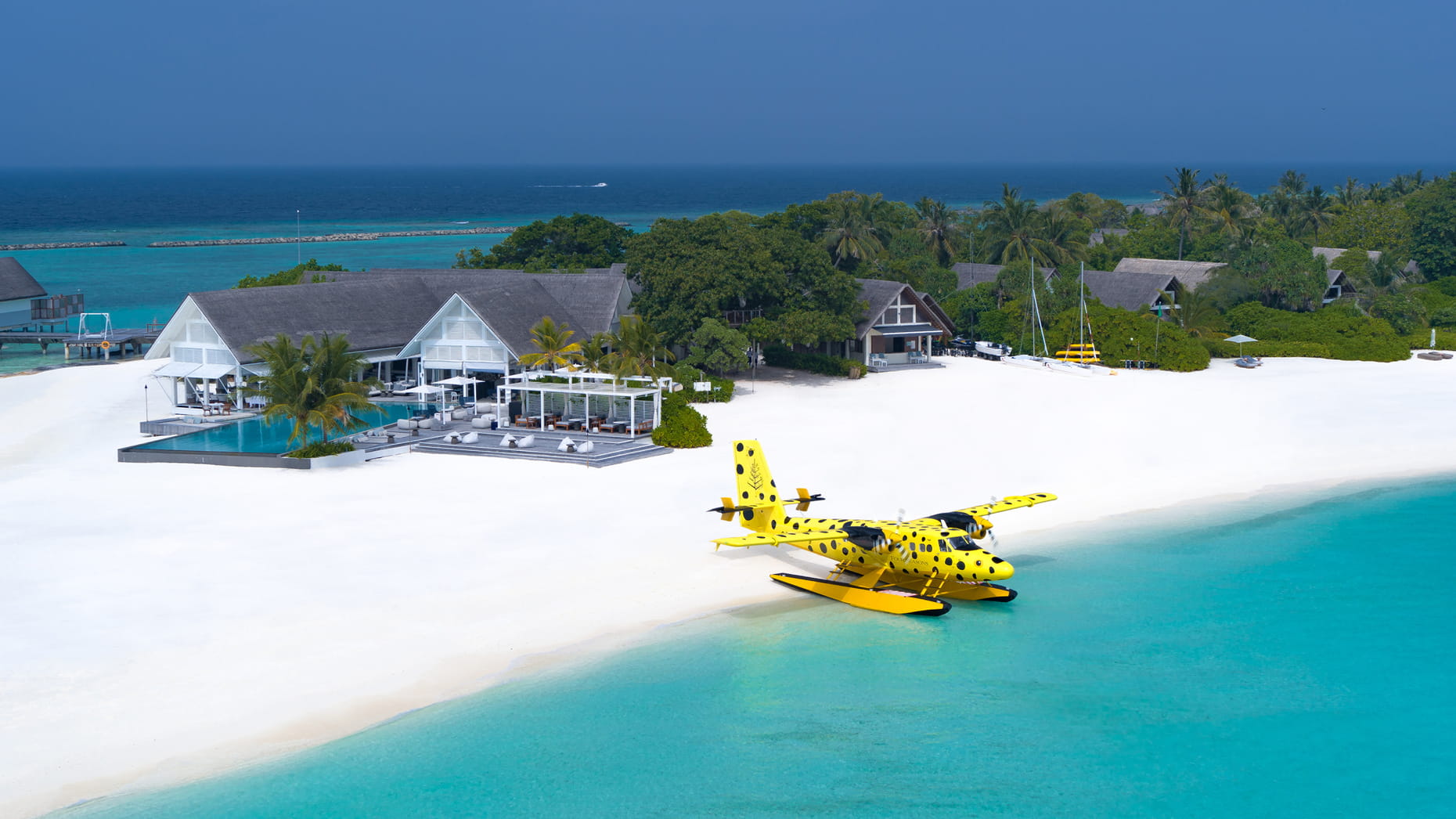
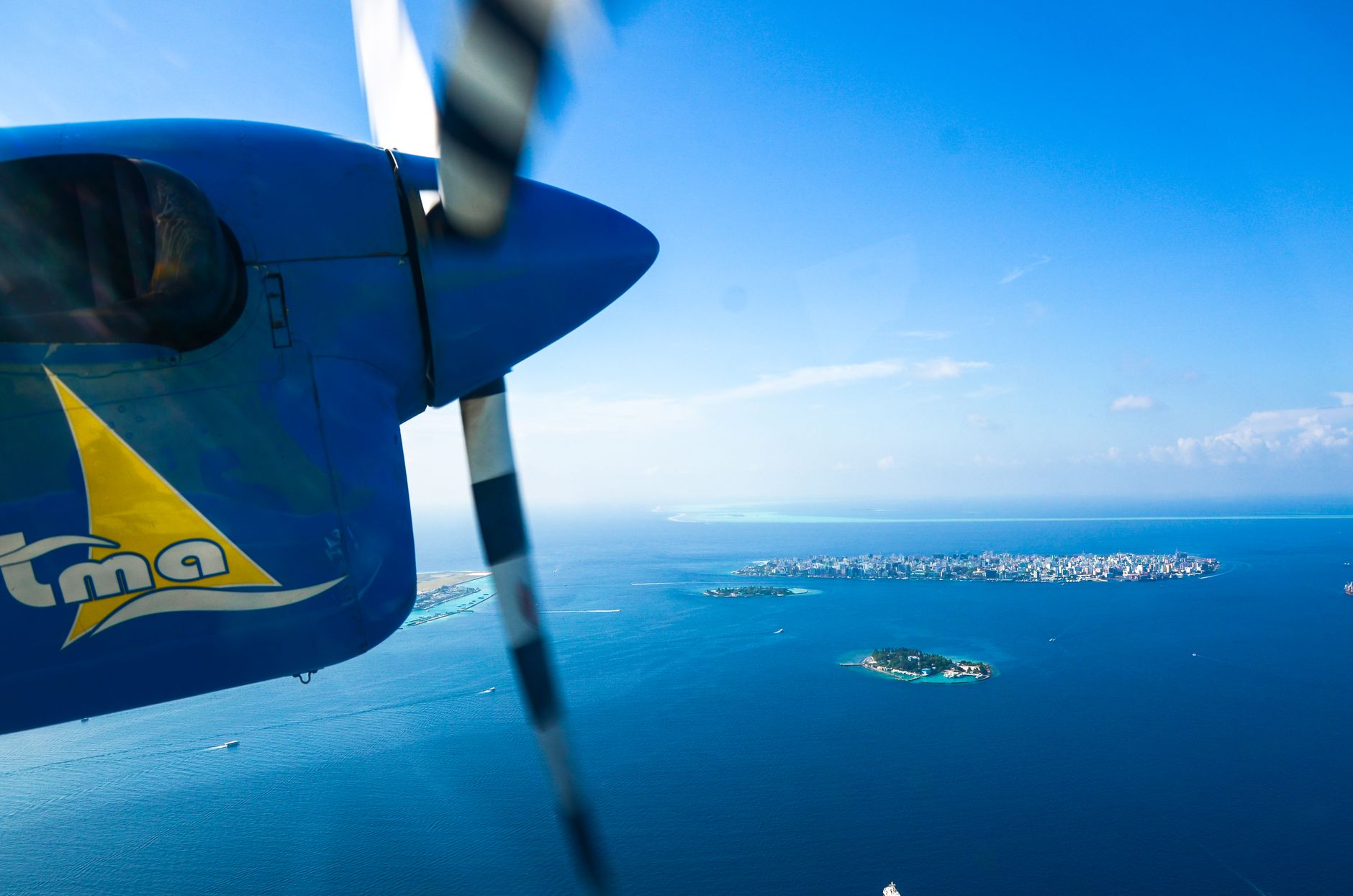
For many travellers, this is part of the reason to visit the Maldives. Flying low over a scatter of tiny islands and changing shades of blue is an extraordinary way to arrive.
It’s also quite different from a conventional passenger aircraft.
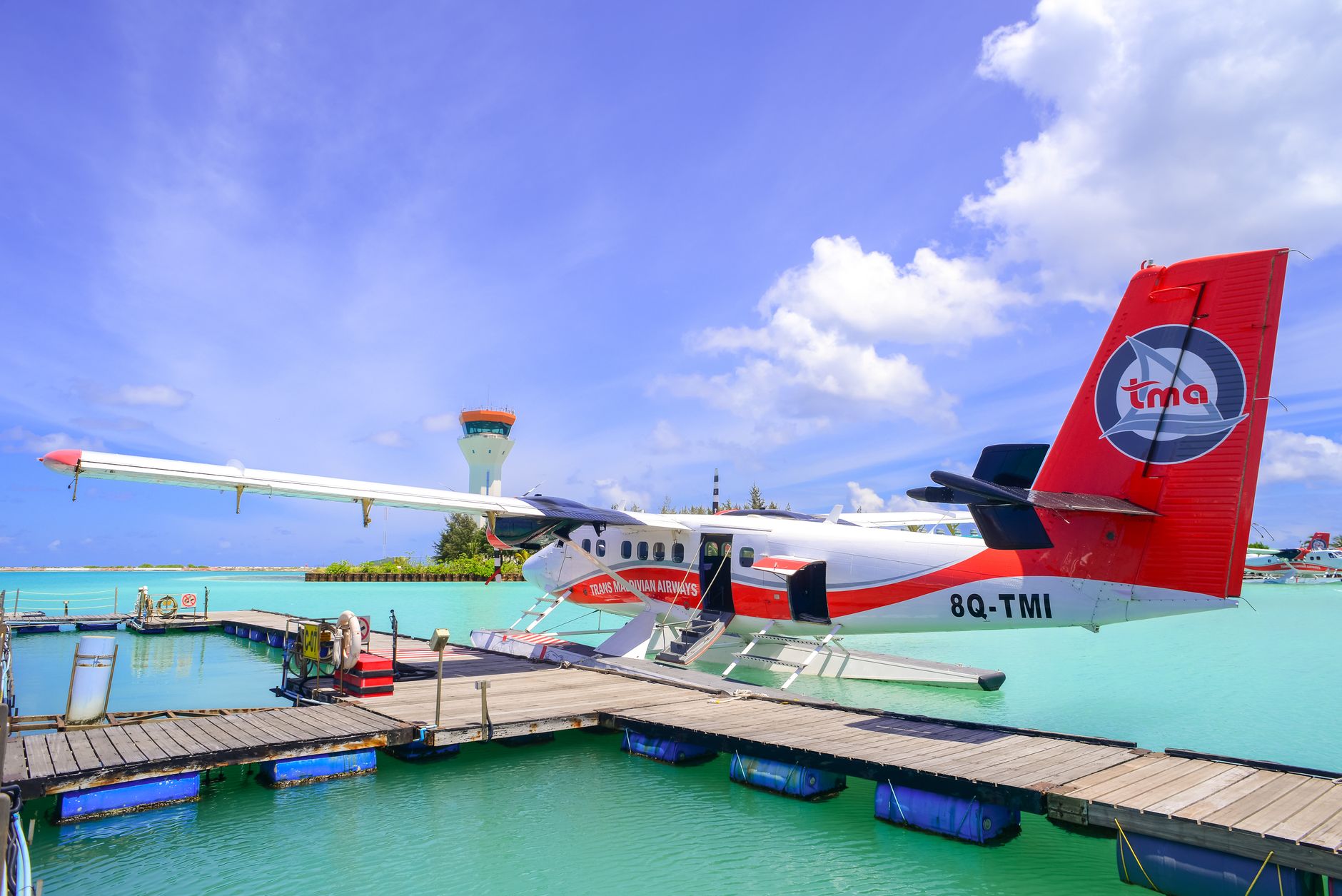
The Twin Otters used for most shared transfers have compact cabins, low doorways and narrow aisles. There usually isn’t a passenger toilet. A wheelchair can’t be taken down the aisle and secured beside the passenger, so most wheelchair users will need an agreed transfer or lifting arrangement.
At the other end, the aircraft may stop beside the resort jetty. Alternatively, it may land at a floating platform, followed by a short boat journey.
Seaplanes only operate between sunrise and sunset. Trans Maldivian Airways advises international passengers to arrive by 15:30 if they want to reach their resort on the same day. It recommends an international departure after 09:00 for the return journey. Read the current TMA guidance.
Shared flights are planned around that day’s international arrivals, resorts, aircraft and weather. This means the advertised flying time isn’t always the complete transfer time.
This is an area where The Standard, Maldives provides a useful level of honesty. It explains that its 35-minute journey may take longer when the aircraft stops at other resorts. It also says departure is usually within an hour of all joining guests clearing immigration and customs, while acknowledging that longer waits can happen.
That’s the kind of information guests need. It allows someone managing fatigue, pain, medication or personal care to plan around the real journey rather than a beautifully simple number on a booking page.
A private seaplane can provide more privacy and control over timing. However, it will usually have a similar doorway, cabin and boarding arrangement. Private doesn’t necessarily mean more physically accessible.
Could a domestic flight work better?
A domestic flight followed by a shorter speedboat journey is often overlooked.
These flights use larger wheeled aircraft and operate to regional airports across the Maldives. Some fly after dark, which gives travellers more flexibility when choosing their international arrival.
The experience will feel more familiar than a seaplane. However, there are more stages to coordinate, and the final boat journey remains.
Soneva Fushi offers a particularly useful example of giving guests a genuine choice.
The resort publishes two routes:
- A direct 30-minute seaplane from Velana
- A domestic flight to Dharavandhoo, followed by a boat journey of around 12 minutes
Its domestic services operate much later than the seaplane. Soneva also publishes the difference in cost, with the 2026 return domestic route listed at USD 600 per adult compared with USD 1,300 for the shared seaplane.
This doesn’t answer every access question, but it gives guests something clear to compare. They can consider the aircraft, timings, number of transfers and price before deciding which journey suits them.
More resorts could make their alternatives this easy to understand.
Where a good travel designer adds value
For this kind of trip, a knowledgeable travel designer can be worth far more than the booking itself.
The Maldives journey may involve an international airline, airport assistance, a resort representative, a terminal vehicle, a domestic airline or seaplane operator and a boat crew. A good specialist should bring those individual parts together rather than simply pass the same request from one supplier to another.
Wayfairer Travel, which designs luxury Maldives holidays, gives a useful example of how that process can work. Its accessible travel planning begins with the exact size and specifications of the guest’s wheelchair or mobility equipment.
These details are then used to consider accommodation, transport and activities, including the need for adapted transfers, additional equipment space and the weight restrictions that can apply on smaller domestic aircraft.
That’s particularly relevant in the Maldives, where the choice between a seaplane, domestic flight and speedboat can depend as much on the equipment travelling with you as the distance to the resort.
The travel designer should still confirm the exact vessel, boarding method and assistance available for your own journey. However, they can take responsibility for gathering those answers, checking that the different suppliers agree and providing one written plan before you travel.
That is the difference between recording an access request and designing the journey around it.
Travelling with a wheelchair or mobility equipment
Mobility equipment deserves its own conversation before you travel.
TMA’s standard allowance is 20kg of checked luggage and 5kg of hand luggage. It also explains that luggage can occasionally travel on a later aircraft because of weight restrictions.
Manta Air confirms that wheelchairs, pushchairs and other mobility devices used by the passenger are carried without an additional charge. Special assistance must be requested and confirmed when booking. Read Manta Air’s conditions of carriage.
Send the resort and transfer operator the make, model, weight and folded dimensions of your equipment. For anything powered, include the battery type and capacity.
Photographs and clear handling instructions are helpful, particularly if parts need to be removed before loading.
Ask for written confirmation that your mobility aid:
- Has been accepted for the journey
- Will be treated separately from your ordinary baggage allowance
- Can travel on the same aircraft or boat
- Will be protected and secured correctly
- Will be returned to you at the earliest possible point
Keep medication, essential supplies and anything you’ll need during your first few hours in your hand luggage.
How much do Maldives transfers cost?
The transfer can form a substantial part of the holiday price, so it needs to be considered alongside the room rate rather than added as an afterthought.
Ask for the complete return cost for your dates, including every stage of the journey. If you’re booking through a travel designer, they should also confirm what the price covers and whether changing the route to suit your requirements will affect it.
The price should tell you:
- Whether it’s one way or return
- Whether it’s per person or per vessel
- Whether the journey is shared or private
- Which taxes and service charges are included
- Whether the transfer is mandatory
- What happens if weather disrupts the journey
A price marked “nett” will usually include the applicable additions. A price followed by “++” usually means 10% service charge and 17% Tourism GST will be added. As a result, USD 1,000++ becomes approximately USD 1,287.
The Maldives tourism GST rate has been 17% since July 2025. Check the current rate with the Maldives Inland Revenue Authority.
Getting around a Maldives resort
Once you reach the island, movement becomes part of the rhythm of the stay.
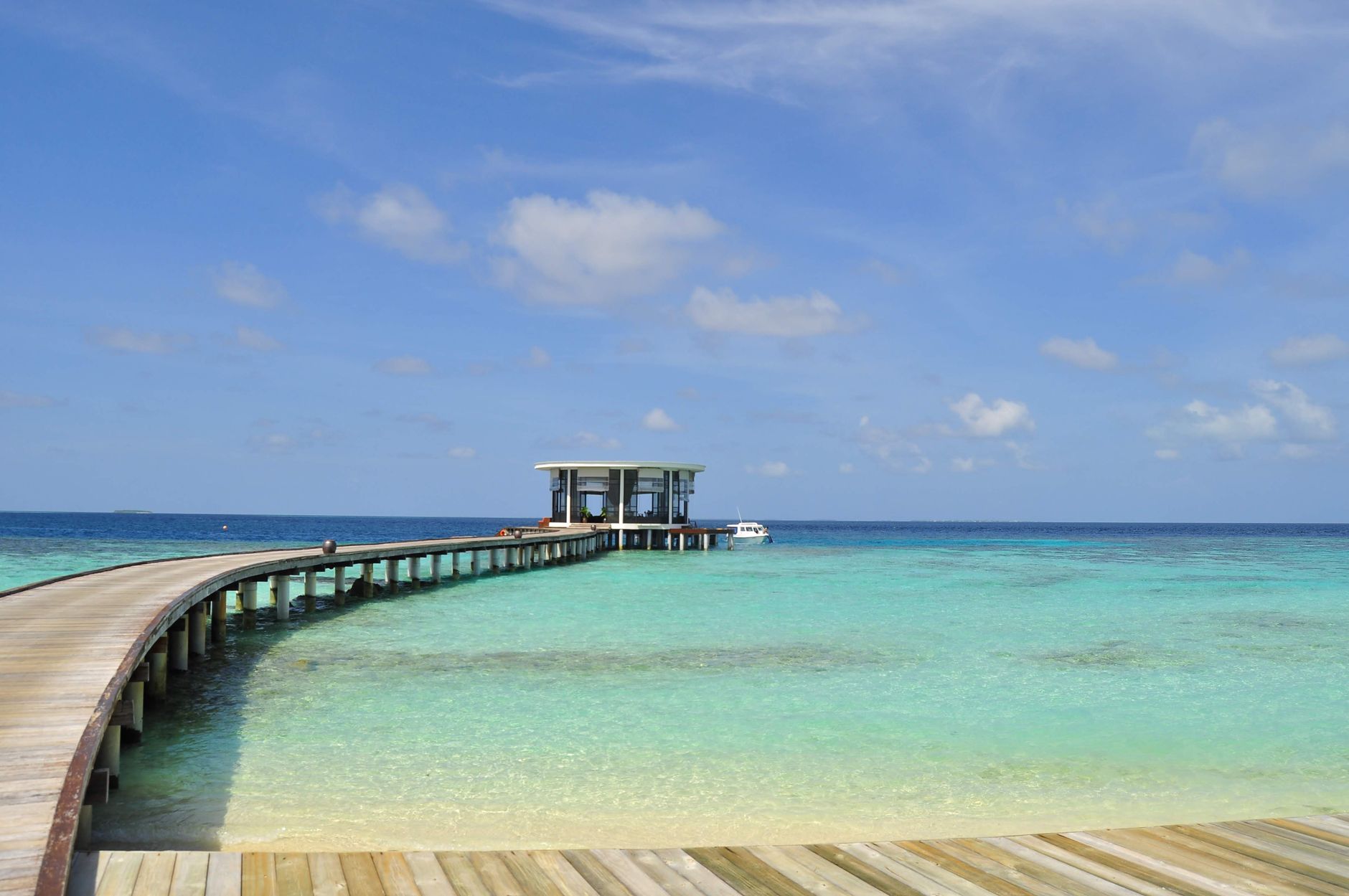
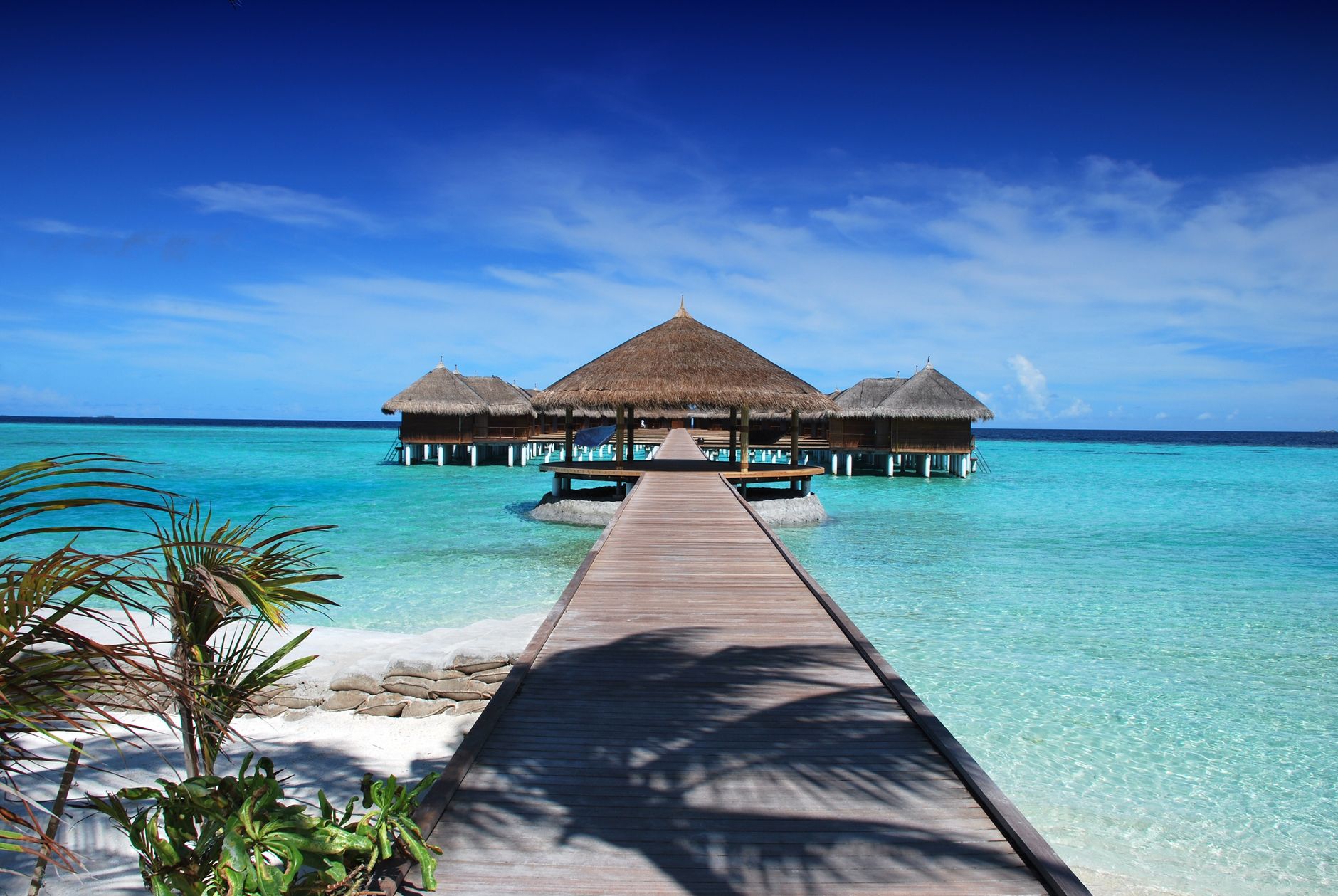
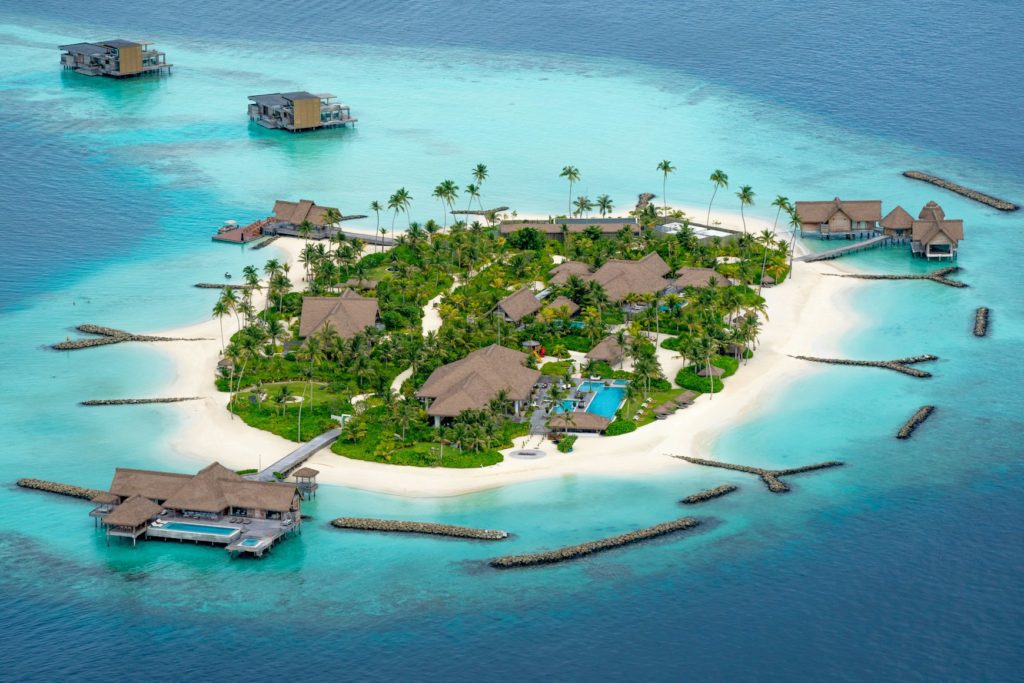
Some resorts are small enough to cross in a few minutes. Others stretch across several islands, with restaurants, beaches and experiences connected by long boardwalks, buggies or boats.
“The island is flat” is a start, but it doesn’t tell you how a manual wheelchair will move across loose sand or whether the bridge to dinner has a steep gradient.
The surface matters. So does the distance from your villa, the reliability of the buggy service and whether you can reach the parts of the resort you’ve actually travelled to enjoy.
There are properties showing what more thoughtful planning can look like.
In The Inclusive Edit’s guide to accessible luxury hotels in the Maldives:
- Four Seasons Resort Maldives at Landaa Giraavaru stood out for its beach wheelchair and step-free access to the main restaurants, spa and activities centre.
- Soneva Fushi has surfaced key routes between its main facilities and uses pre-arrival planning to understand how each guest wants their stay to work.
- One&Only Reethi Rah combines electric buggy transport with accessibility-trained staff and a compacted route from its accessible beach villa towards the water.
These aren’t simply additions to an adapted room. They recognise that the guest needs to move between the villa, restaurants, spa, beach and experiences for the holiday to work as a whole.
That is where access becomes part of luxury service.
If a resort relies on golf buggies, check whether you’ll need to transfer onto a fixed seat. Ask about the step height, support available and how your wheelchair will be carried.
A buggy service can work extremely well when it’s responsive. It feels rather less luxurious when every dinner reservation begins with a lengthy wait outside the villa.
Beach and water access
The water is central to the Maldives experience. Access shouldn’t end where the timber path meets the sand.
A beach wheelchair can make a meaningful difference, but models vary considerably. Some are designed to cross sand. Others can enter the water. Many require another person to push them.
Ask for a photograph and the name of the model. This will tell you far more than a simple promise that one is available.
The same applies to pools, snorkelling trips and sunset cruises. If any of these matter to your stay, discuss them before booking. A thoughtful resort should be willing to explore how the experience can work, rather than waiting until you arrive to discover that the excursion boat presents another barrier.
Weather and changes to the journey
The landscape that makes the Maldives so beautiful also shapes how people travel through it.
Poor visibility can delay a seaplane. Rough water can change the speedboat journey or the vessel being used. Occasionally, an overnight stay in Malé or Hulhumalé may be needed.
The aim isn’t to predict every possible change. It’s to understand the resort’s alternative plan.
Travel insurance should include missed resort transfers, overnight accommodation, lost resort nights and damage to mobility equipment. If you rely on a particular boarding method, ask what happens if the replacement boat or aircraft is different from the one originally agreed.
Planning a split stay
A two-resort Maldives holiday can be wonderful, but the islands may not connect directly.
You might need to return to Velana and begin the transfer process again. In other cases, the resorts can arrange an inter-island seaplane or boat.
Ask both properties to agree the complete route before you book. External vessels aren’t always permitted to use private resort jetties, so arranging your own transfer may not be possible.
Questions to ask before booking
You don’t need to provide your full medical history. Explain what you need in practical terms and ask the resort to describe the journey with the same clarity.
- Which route will I take from Velana to the resort?
- Who will meet me after customs, and where?
- Where does airline assistance end and resort assistance begin?
- Which aircraft, boat and terminal vehicles will be used?
- Can I board and travel in my own wheelchair?
- If I need to transfer, what equipment and method will be used?
- Will the seaplane arrive at a fixed jetty or floating platform?
- How will my mobility equipment be stored and protected?
- What is the realistic door-to-door transfer time?
- What accessible toilets are available during the journey?
- How will I move around the resort and reach its main facilities?
- What is the alternative if weather or another change makes the agreed arrangement unsuitable?
Ask the resort or tour operator to reply in one joined-up email. That gives you a clear plan to travel with and helps every team understand the arrangements already agreed.
The journey is part of the stay
The Maldives is worth the conversation it sometimes takes to reach it.
A seaplane flight over the atolls should feel exciting. Leaving Velana by boat should feel like the beginning of something special. Arriving at the island should come with anticipation, not relief that you’ve somehow made it.
Several airports, operators and resorts are already showing what better looks like. They’re publishing clearer timings, offering different routes, planning before arrival and thinking beyond the adapted villa.
There is still work to do, particularly around consistent information about boarding and mobility equipment. But there is also plenty to build on.
The right transfer won’t look the same for every disabled traveller. What matters is having enough information to choose it confidently.
Because in the Maldives, the journey to the resort isn’t separate from the luxury experience.
It’s the first chapter of it.
Transfer arrangements, prices and operator policies were checked on 1 August 2026. Always confirm the details for your dates and individual requirements before booking.

Leave a Reply